L’échantillonnage au jugé : Définition, exemples et avantages
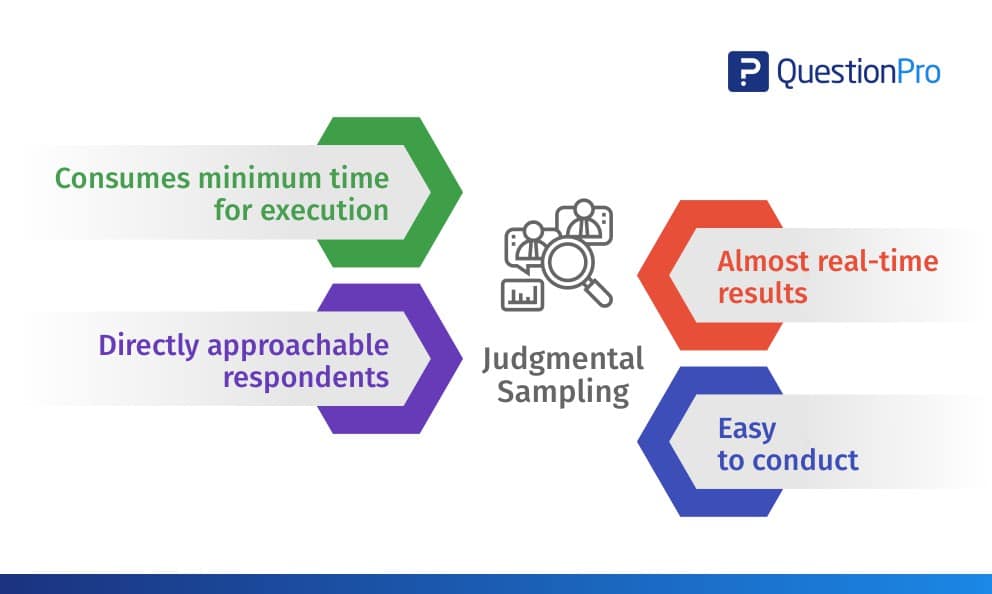
Définition de l’échantillonnage au jugé L’échantillonnage au jugé, également appelé échantillonnage raisonné ou échantillonnage autoritaire, est une technique d’échantillonnage non […]

QuestionPro

 Français
 English (Anglais)
 Español (Espagnol)
 Português (Portugais - du Brésil)
 Nederlands (Néerlandais)
 العربية (Arabe)
 Italiano (Italien)
 日本語 (Japonais)
 Türkçe (Turc)
 Svenska (Suédois)
 Hebrew IL (Hébreu IL)
 ไทย (Thaï)
 Deutsch (Allemand)
 Portuguese de Portugal (Portugais du Portugal)
 Español / España (Espagnol / Spain)
Définition de l’échantillonnage au jugé L’échantillonnage au jugé, également appelé échantillonnage raisonné ou échantillonnage autoritaire, est une technique d’échantillonnage non […]
Qu’est-ce que l’échantillonnage par quota ? L’échantillonnage par quotas est défini comme un échantillonnage non probabiliste méthode par laquelle les […]
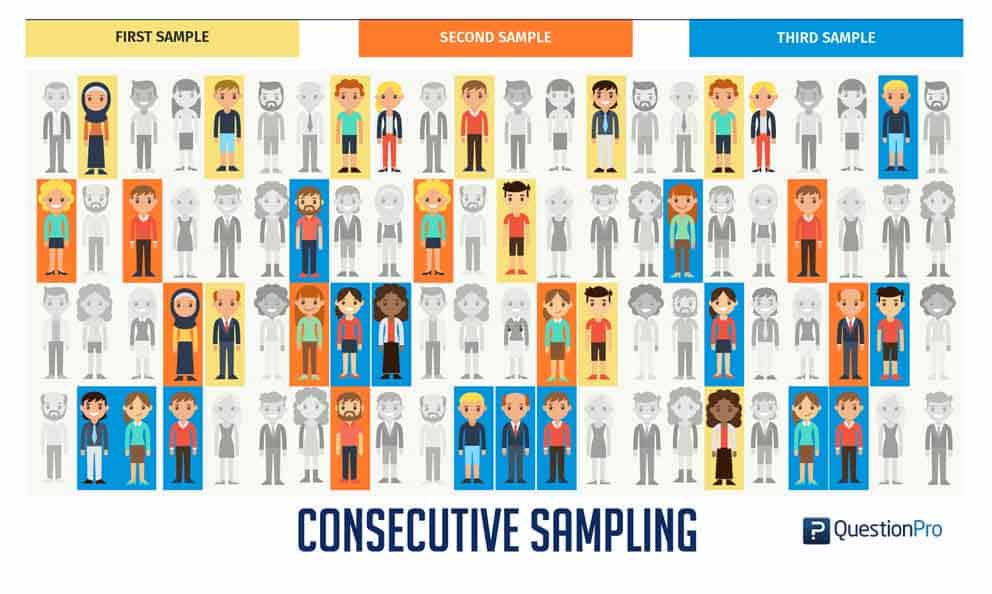
Échantillonnage consécutif : Définition L’échantillonnage consécutif est défini comme un technique d’échantillonnage non probabiliste où les échantillons sont prélevés à […]
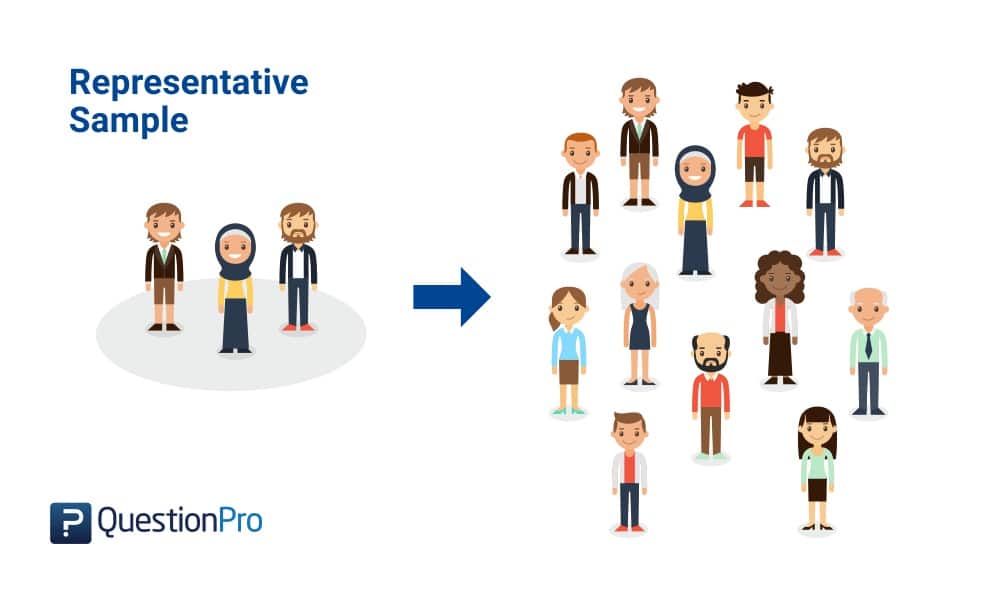
Qu’est-ce qu’un échantillon représentatif ? Définition d’un échantillon représentatif : Un échantillon représentatif est défini comme une petite quantité ou […]
La protection de la vie privée et la sécurité sont définitivement au premier plan des préoccupations des consommateurs dans l’ère […]