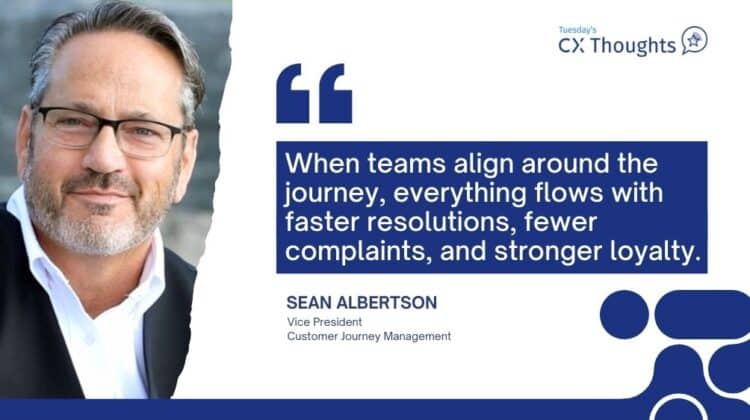
When teams align around the journey, everything flows with faster resolutions, fewer complaints, and stronger loyalty.
Real Change Starts with Clarity
For many companies, customer journey mapping feels like a creative exercise. Teams gather to draw timelines, label touchpoints, and imagine how customers feel at each stage. But when the whiteboards are wiped clean or the PDFs are filed away, not much actually changes.
That wasn’t the case for a U.S.-based multinational technology firm that found itself at a breaking point. The company was experiencing an alarming spike in complaints, particularly around its post-sale support experience. High-value enterprise clients were expressing frustration with delayed responses, inconsistent service, and poor communication. Despite investing in voice of customer programs and having access to a wealth of data, the leadership team couldn’t pinpoint the source of the breakdown.
That’s when they turned to a structured journey mapping and management approach.
The Problem Beneath the Surface
What appeared on the surface as a service issue turned out to be something deeper and more complex. The VP of Global Services initiated the effort after recognizing that internal efforts to resolve complaints were fragmented and reactive. There was no shared understanding of the full customer journey, and each department saw the problem through a different lens.
The team brought in outside expertise and began with qualitative research. Through in-depth interviews with 11 enterprise customers, they uncovered a clear pattern of pain points, including long response times, repeated handoffs, and confusing escalation paths. Customers felt like they had to do all the work to get problems solved. Internally, employees echoed similar concerns about unclear responsibilities and process gaps.
What became clear was that the organization was struggling with several types of “rocks” or hidden friction that was slowing everything down. Some were sedimentary, like outdated approval policies that had never been revisited. Others were metamorphic, created by shifting roles and responsibilities during a recent reorganization. A few were igneous, stemming from a new service ticketing system that had gone live without proper training or customer testing.
From Mapping to Managing
Rather than stop at the map, the team went further. Using a journey management platform, they turned the customer journey into a living asset. They created a shared, end-to-end view of the post-sale support experience and invited stakeholders from service, operations, and IT to co-own the findings.
Each identified pain point was tagged, categorized using the 4ROCKS framework, and prioritized by both customer value and business impact. New workflows were designed. Ownership was assigned. And an implementation roadmap was created.
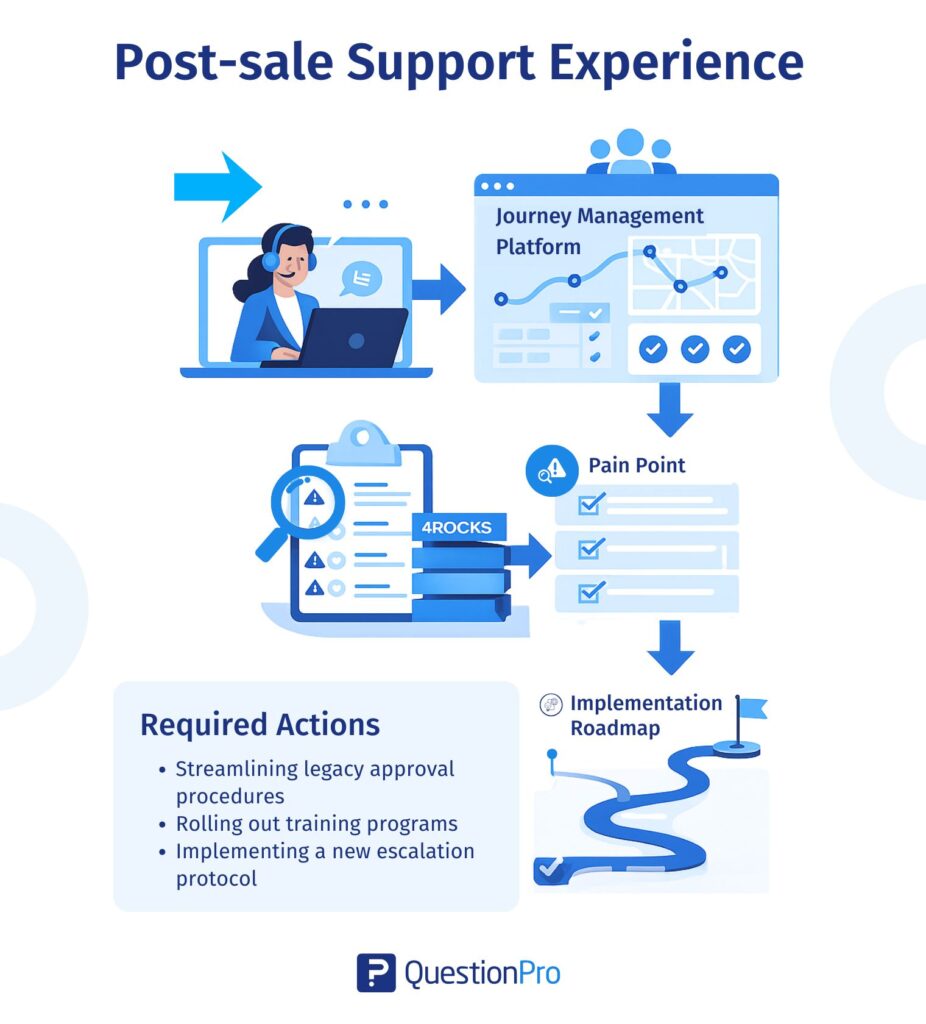
What followed was a series of coordinated actions:
- Legacy approval procedures were streamlined to eliminate unnecessary delays.
- Training programs were rolled out to align teams on the new ticketing system.
- A new escalation protocol clarified responsibilities and shortened handoffs.
Most importantly, every change was mapped back to the journey.
Results That Mattered
Within just 30 days, the organization began to see real improvements. Average response times dropped from 22 days to just 4. The contact center’s average handle time improved by nearly 30%, falling from 12 minutes and 42 seconds to just over 9 minutes. Customer complaints fell significantly, especially among the top-tier accounts that had previously been most dissatisfied.
Internally, alignment improved across departments. With clearer processes and visibility into the full journey, teams collaborated more effectively and escalated issues with greater precision. The journey management approach had transformed not just the customer experience, but also how the organization worked together to deliver it.
Lessons for Every Organization
This tech company needed a better way to make sense of the data they had, not another survey. They needed a shared view of the journey. This didn’t require a massive overhaul. All they needed was a focused, structured way to reduce friction.
The tools that made this possible were journey mapping, the 4ROCKS framework, and a CJM platform that brought it all together. But the real driver of change was the mindset: treating the journey as a system to be managed, not just a story to be told.
Ready to See What’s Possible?
Every company has friction in their journey. The difference lies in whether you choose to manage it or let it manage you.
📅 Book 30 minutes with me to:
- Discuss your biggest journey challenges
- Schedule a workshop to uncover hidden friction
- See how QuestionPro CJM can support transformation in your organization
Clarity creates momentum. Let’s map the way forward.