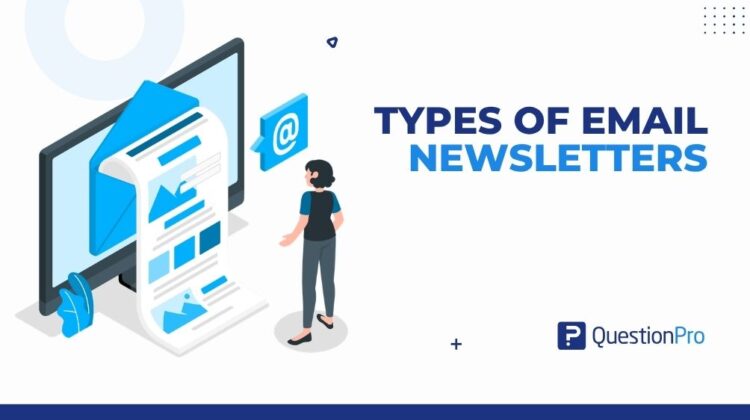
Types of email newsletters range from a simple welcome note to a detailed product digest, and picking the wrong one is a common reason open rates stall. Each format serves a different stage of the subscriber relationship, from the first sign-up to years of loyalty.
Email marketing is one of the few channels a business fully owns, so matching the format to the reader’s intent has a direct effect on clicks and revenue. Sending a promotional blast when a reader expects a helpful update usually ends in an unsubscribe.
This guide breaks down eight newsletter types with real examples, a framework for choosing between them, and a way to measure whether your choice is actually working.
An email newsletter is a recurring email sent to an opted-in subscriber list on a set schedule, sharing updates, curated content, or offers tied to a specific goal.
Unlike a one-off promotional blast, a newsletter builds a relationship over time through consistent, expected sends. Unlike a transactional email, it isn’t triggered by a single account action such as a purchase or password reset. That distinction matters for both deliverability and reader expectations, since subscribers who signed up for a newsletter did not necessarily agree to receive every type of email a company sends.
Not every newsletter looks the same, because each type maps to a different point in the subscriber journey. Below are the eight formats businesses rely on most, along with when each one makes sense.
A welcome newsletter is the first scheduled email a new subscriber receives after signing up, and it typically introduces the brand, sets expectations for frequency, and highlights one or two useful resources.
Welcome sends consistently earn the highest engagement of any newsletter type, simply because the subscriber’s interest is freshest right after opting in. A SaaS company might use this format to point new users toward a getting-started guide instead of pitching an upgrade.
This type shares original articles, industry commentary, or curated links without a direct sales pitch. The goal is trust and brand awareness, not an immediate transaction.
A professional services firm might send a monthly roundup of market trends, while a media brand sends a daily digest of top stories. Readers stay subscribed because the content itself is the value, not a discount.
Promotional newsletters exist to drive a purchase, and they lead with a specific offer, discount, or product launch. The call-to-action button is the central design element, since the entire email is built around getting a click that converts.
Retailers and e-commerce brands rely on this format the most, often timing sends around inventory or seasonal demand.
Technically, these sit close to a regular transactional email, but many companies format recurring account summaries, usage reports, or billing recaps as a newsletter-style send. The design is intentionally simple, since the goal is clarity, not persuasion.
A subscription software company might send a monthly usage summary in this format, reusing the same template each time to stay consistent and meet legal requirements like unsubscribe links.
A digest newsletter pulls together the best content from multiple sources, whether that’s community posts, customer stories, or external articles, into a single scheduled send. It works well for brands trying to become a trusted filter for a busy audience.
Companies that run an online community platform often use this format to surface the most valuable discussions from their members each week.
Seasonal newsletters tie a campaign to a specific date or holiday, from Black Friday to a regional observance, and use the occasion as a natural reason to reach out. They work because the timing itself creates urgency without feeling forced.
A retail brand might send a Halloween-themed template in late October, while a B2B company might send a year-end recap in December.
Re-engagement, or win-back, newsletters target subscribers who haven’t opened recent emails. The format usually asks a direct question, offers a reason to stay, or gives subscribers an easy way to update their preferences instead of unsubscribing entirely.
This type matters for list health, since a large inactive segment can drag down deliverability for every other email a company sends.
Internal newsletters share company updates, policy changes, or team wins with employees instead of external customers. They follow the same core structure as any newsletter, but the audience and goals are different, often tied to engagement or retention rather than sales.
Organizations that track QuestionPro Employee Experience frequently pair an internal newsletter with pulse surveys, so leadership can see whether the updates being shared are actually landing.
Newsletter vs. Promotional email: What’s the difference?
Newsletters and promotional emails often get lumped together, but they serve different jobs in an email program. A newsletter is scheduled and expected, while a promotional email is typically triggered by a specific offer or event.
The table below breaks down the core differences.
| Element | Newsletter | Promotional email |
|---|---|---|
| Primary goal | Build trust and stay top of mind | Drive an immediate purchase |
| Frequency | Fixed schedule (weekly, biweekly) | Tied to campaigns or inventory |
| Content mix | Updates, curated links, insights | Discounts, launches, offers |
| Success metric | Open rate, read time, retention | Click-through rate, conversion rate |
Mixing the two too often is one of the fastest ways to train subscribers to stop opening either type.
The right newsletter type depends on where the subscriber sits in their relationship with your brand, not on what competitors happen to be sending. Start with the goal, then work backward to the format.
- Define the one goal this newsletter needs to hit.
Retention, upsell, education, and internal alignment all call for different formats.
- Map the goal to a subscriber stage.
New sign-ups usually need a welcome series, while long-term customers respond better to content or digest formats.
- Check what your audience already tells you.
Running a short preference survey through an audience panel can surface what subscribers actually want before you commit to a format.
- Validate the idea with existing data.
Pulling insights from a market research platform helps confirm whether a content gap you’re guessing at is real.
- Pick one primary type and commit to a consistent schedule.
Switching formats every time you send confuses readers and makes results harder to compare over time.
Measuring a newsletter means tracking a small set of metrics consistently, not chasing every number available in your email platform’s dashboard.
Open rate is the percentage of delivered emails that were opened at least once, though it has become less reliable since Apple’s privacy changes preload some emails automatically. Click-through rate (CTR) measures the percentage of recipients who clicked a link, and it remains one of the more trustworthy signals of real engagement. Unsubscribe rate tracks how many recipients opt out per send, and a rising rate is usually the first warning sign that a format or frequency isn’t working.
According to Mailchimp’s benchmark data across all industries, the average newsletter sees roughly a 35.6% open rate and a 2.6% click rate, though nonprofit and education sends tend to outperform ecommerce and retail. On the revenue side, Litmus reports that most companies earn between $10 and $36 back for every $1 spent on email, making it one of the highest-return channels available.
Comparing your own numbers against these benchmarks only tells part of the story. Pairing email platform data with a quick online survey tool lets you ask subscribers directly why they clicked, skipped, or unsubscribed, which explains the “why” behind the metric.
A few recurring mistakes account for most of the underperforming newsletters we see.
- Sending every type of email under one “newsletter” umbrella, which confuses reader expectations
- Reusing the same subject line format so often that it becomes easy to ignore
- Skipping mobile testing, even though most opens now happen on a phone
- Never removing inactive subscribers, which quietly damages deliverability
- Treating the newsletter as a one-way broadcast instead of gathering reader feedback
- Changing frequency or format without telling subscribers what changed and why
Fixing even two or three of these usually moves engagement more than a full redesign would.
How QuestionPro helps you understand what subscribers actually want
Choosing the right newsletter type is easier when you’re not guessing at subscriber preferences. Running a short survey asking readers what content they open, skip, or wish you sent more of turns that guesswork into a decision backed by real feedback.
A quick customer satisfaction survey template can be dropped into a newsletter footer or sent as a standalone follow-up after a campaign, giving marketing teams a direct read on whether the content is landing. Tracking Net Promoter Score alongside newsletter engagement also helps teams see whether subscribers who open every send are the same ones who’d recommend the brand to others.
A few quick ways teams put this into practice:
- Drop a one-question survey in the newsletter footer asking what content readers want more of
- Send a short satisfaction check after a redesign or frequency change
- Compare NPS scores between engaged and disengaged subscriber segments
Every newsletter type on this list works for someone, but none of them work for everyone. The businesses that get the best results are the ones that pick one clear goal, commit to a format long enough to measure it, and keep asking subscribers what they actually want.
That last part is easy to skip and the one that matters most.
Frequently Asked Questions (FAQs)
Weekly or biweekly works for most content and digest newsletters, since it’s frequent enough to stay top of mind without overwhelming inboxes. Promotional and seasonal newsletters can flex around campaigns, while transactional and internal newsletters follow whatever schedule the underlying event requires.
B2B newsletters commonly land in the 20% to 35% range, though this varies widely by industry and list quality. A more useful benchmark than a single number is your own trend over time, since a steady decline usually signals a content or frequency problem.
Yes, and most established companies do. A typical setup separates a customer-facing content newsletter from a promotional list and a separate internal employee newsletter, each with its own schedule and success metric.
Free templates are a reasonable starting point for testing formats before committing to a design system. Paid templates from established email platforms tend to offer better mobile rendering and more reliable cross-client support, which matters more as list size grows.
The terms are often used interchangeably, but a digest usually summarizes a company’s own recent activity, while a curated newsletter pulls in outside sources or community content alongside original material. Both rely on strong editorial judgment about what’s worth including.