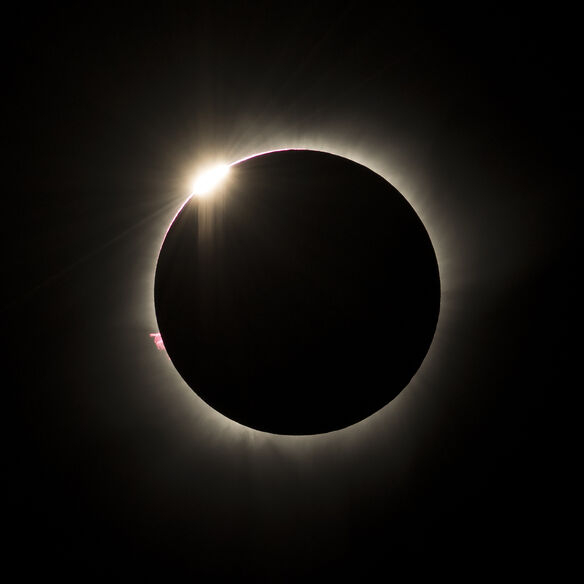
North American Solar Eclipse: Travel, Spending, and Viewing Plans
This national study explores how Americans prepared for the April 8, 2024 North American total solar eclipse. From travel and lodging plans to astronomy interest and time-off intentions, the research captures how a rare celestial event translated into real consumer behavior.
The findings show that for many Americans, the eclipse was more than a moment in the sky. It was a travel decision, a bucket list experience, a family outing, and in some cases a significant spending event.
Key Findings
- $1,611.88 average total spending among travelers: Eclipse travel generated major economic impact across lodging, transport, and event admissions.
- $814.14 average transportation expense: Travel costs represented the largest single expense category for those traveling to the path of totality.
- $644.20 average lodging outlay: High demand in viewing zones drove substantial accommodation expenditures.
- 17.11% of respondents planned to travel: Millions of Americans prepared to leave home specifically to experience total darkness.
- 61.89% traveled to experience a rare event: The unique nature of total solar eclipses was the single primary driver for travelers.
- 25.16% took time off work: One in four adults planned workplace leave on April 8th to observe the event.
- 55.57% had previously witnessed a total eclipse: Prior exposure did not diminish enthusiasm for viewing the 2024 celestial occurrence.
The study highlights that eclipse travel was shaped by both passion and logistics. Consumers balanced excitement about the rare astronomical event with practical considerations like weather forecasts, proximity to totality, and accommodation availability.
What We Set Out to Learn
This study was designed to understand how Americans planned to experience the April 8, 2024 total solar eclipse and what factors influenced their travel, viewing, and spending decisions.
- Measure how many Americans planned to view the eclipse
- Understand willingness to travel to locations within the path of totality
- Explore motivations for eclipse travel
- Identify destinations people planned to visit
- Estimate consumer spending related to the event
- Assess overall interest in astronomy
Viewing & Event Intentions
A broad majority of respondents expressed direct intent to participate in viewing the eclipse, establishing high public engagement nationwide.
General Viewing Engagement
Public awareness and interest translated into active plans, with the majority of adults structuring their schedules to observe the phenomenon.
Event and Viewing Party Attendance
Beyond solitary viewing, many respondents planned to join organized events, viewing parties, or community gatherings to experience the eclipse collectively.
Travel Behavior & Totality Destinations
The geographic specificity of total solar eclipses motivated significant domestic travel toward narrow corridors of totality.
Overall Travel Intentions
Over 17% of respondents declared plans to travel away from their home locations specifically to secure a better viewing position for the eclipse.
Targeting the Path of Totality
Travelers actively targeted cities directly within the narrow path of totality to ensure maximum blackout duration rather than settling for partial visibility.
Primary Destination Hotspots
Travelers clustered around key hubs offering strong infrastructure, clear views, and hosted viewing activities within the line of totality.
Drivers & Influences of Eclipse Tourism
Consumer decision-making for eclipse travel was driven by emotional appeal and shaped by practical constraints.
Primary Motivation to Travel
A dominant 61.89% of travelers cited witnessing a rare celestial event as their core motivation, demonstrating the power of bucket-list astronomical experiences.
Key Location Selection Factors
Weather forecasts, travel distance, and accommodation availability emerged as critical operational drivers shaping exact destination choices.
Past Experience & Workplace Impact
Historical eclipse viewing did not dampen current demand, while the mid-week date required explicit workplace adjustments.
Previous Eclipse Visibility
Over half of respondents (55.57%) had witnessed a total solar eclipse previously, yet still demonstrated eager participation for the 2024 event.
Taking Time Off Work
With the eclipse falling on a Monday, 25.16% of respondents arranged to take the day off from work to observe the event without distraction.
Social Context & Scientific Affinity
Eclipse viewing served as a social bonding event supported by a baseline interest in general astronomy.
Travel Companions
The vast majority of eclipse journeys were social, taken alongside immediate family members, partners, or groups of friends.
Organized Group and Expedition Participation
A distinct segment of travelers opted for formal tour packages, scientific expeditions, or organized group trips to manage logistical details.
General Interest in Astronomy
Broader interest in astronomy provided a strong backdrop for eclipse engagement, elevating scientific curiosity among the general public.