Consumer & Social Insights • 2026 • 8 min read
← Back to studies
More than four in ten Americans (41.44%) report that rising prices on everyday items have influenced their food, hosting, decoration, or activity plans—more than double the share citing household income changes (20.58%).
GET IT NOWDespite widespread price sensitivity, 81.88% of respondents expect their overall 2026 holiday experience to be the same (46.74%) or better (35.15%) than last year, proving that consumers have separated seasonal joy from retail spending.
GET IT NOWTo manage holiday costs, 36.44% of consumers are reusing existing decorations instead of buying new ones, and 29.13% are rewearing outfits rather than purchasing new holiday attire.
GET IT NOWAmong consumers considering budget adjustments, 68.47% have locked in reusing decorations and 60.76% have committed to rewearing outfits, whereas 36.25% abandoned sharing hosting expenses and 31.83% dropped plans to ask guests to bring food or drinks.
GET IT NOWIn December, 35.63% of Christmas celebrants plan to reuse existing decorations and buy zero new items, while 28.84% will add only a few pieces—leaving just 14.85% buying exclusively new decor.
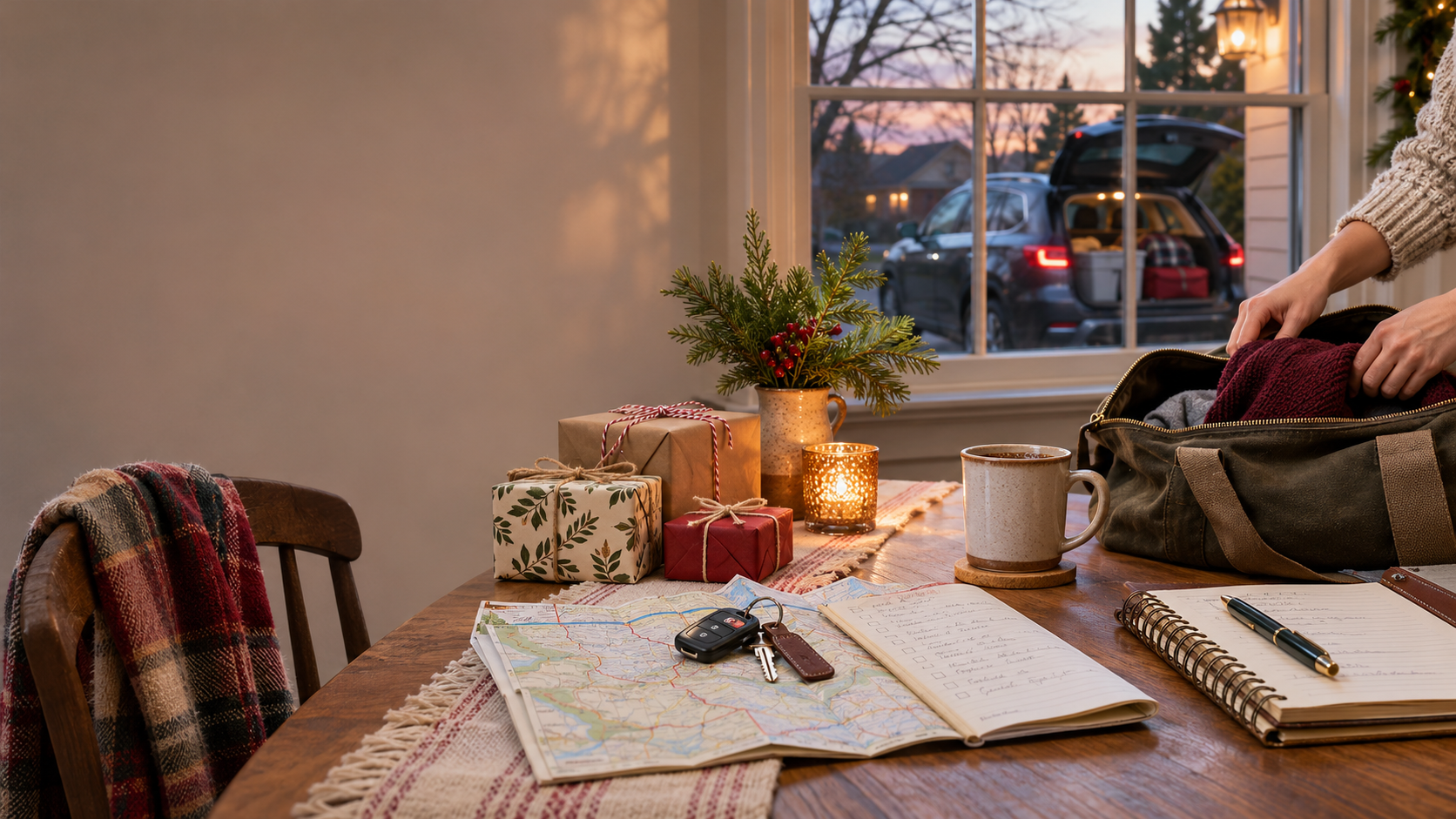
GET IT NOWNearly two-thirds of holiday travelers (64.30%) are traveling by car—51.96% in a personal or borrowed vehicle and 12.34% in a rental—compared to just 26.36% who plan to fly.
GET IT NOWAmong travelers who switched from their originally planned mode of transportation, 34.77% cited departure and return date flexibility as a primary driver, outpacing total group travel cost (30.47%).
GET IT NOWOver half (54.11%) of travelers who altered their transportation plans expect to save $250 or more, including 25.04% saving $1,000 or more—savings that 40.19% plan to reinvest directly into gifts, food, and other holiday categories.
GET IT NOWWhile 92.34% of travelers would consider driving to cut group costs, 63.54% set their maximum one-way tolerance under 10 hours, peaking in the 2-to-4-hour (15.51%) and 4-to-6-hour (13.83%) sweet spots.
GET IT NOWOverall, 71.54% of Thanksgiving celebrants have made or decided on cost-saving adjustments, led by preparing fewer side dishes or desserts (24.84%), buying a smaller main dish (21.64%), and choosing a less expensive protein (18.44%).
GET IT NOWResilient Holiday Morale
81.88%
expect same or better experience
Road-Trip Dominance
64.30%
of travelers are hitting the road by car
Menu Engineering
71.54%
of Thanksgiving hosts cut menu costs
Americans aren't canceling the 2026 holidays—they’re aggressively engineering them, trading impulse purchases and airfare for road trips, reused decor, and carefully edited menus to keep celebrations intact. Rather than retreating from celebrations, consumers are acting as pragmatic financial editors—ruthlessly cutting "background" expenses like new ornaments, festive wardrobes, and expensive airfare so they can preserve the core experiences of gathering and eating together.
Key takeaways from our national study include:
41.44% cite rising prices on everyday items as the top disruptor: Everyday inflation outranks household income changes (20.58%) and forces tactical trade-offs rather than cancellations—as 87.23% still plan to celebrate Thanksgiving and 87.73% plan to celebrate Christmas.
81.88% expect their overall 2026 holiday experience to be the same (46.74%) or better (35.15%) than last year: Aggressive cost-cutting is reshaping retail carts without dampening festive morale.
36.44% are reusing existing decorations and 29.13% are rewearing outfits: Aesthetic sustainability provides the easiest budget relief without sacrificing social connection.
64.30% of holiday travelers are traveling by car compared to 26.36% flying: With 51.96% using a personal or borrowed vehicle and 12.34% renting, the road trip has become the primary inflation hedge for multi-person travel.
54.11% of travelers who changed transportation plans expect to save $250 or more: One in four (25.04%) expect to save $1,000 or more, unlocking funds that 40.19% plan to reinvest directly into other holiday expenses.
34.77% switched transportation modes for departure and return date flexibility: Logistical control outpaces total group cost (30.47%) as the leading catalyst for switching away from original travel plans.
71.54% of Thanksgiving celebrants have made or decided on cost-saving menu changes: Hosts are preparing fewer side dishes or desserts (24.84%) and buying smaller turkeys (21.64%), while only 16.42% say food costs led them to invite fewer guests.
36.25% of those who considered sharing hosting expenses abandoned the idea: The highest drop-off of any cost-cutting tactic exposes a clear cultural boundary where hosts prefer trimming the menu over asking guests to split the bill.
This study was conducted by the QuestionPro Market Research Services team among n=1,000 completed respondents (1,255 total U.S. adult respondents). Data was collected via an online survey using non-probability sampling from double opt-in panels. The data may be weighted to align with U.S. census benchmarks where applicable. All respondents were verified, and responses were securely stored. The margin of error is approximately ±3.1% at a 95% confidence level.
According to the QuestionPro 2026 Holiday Study, 41.44% of Americans cite rising prices on everyday items as the top factor influencing their food, hosting, decoration, or activity plans—more than double the share citing changes in household income (20.58%). Despite these pressures, 87.23% still plan to celebrate Thanksgiving and 87.73% plan to celebrate Christmas.
No. Over four in five Americans (81.88%) expect their overall 2026 holiday experience to feel the same (46.74%) or better (35.15%) than last year, demonstrating that shoppers are trimming discretionary retail items without sacrificing seasonal enjoyment.
Aesthetic categories are the first place shoppers trim budgets. Overall, 36.44% of Americans are reusing existing decorations and 29.13% are rewearing outfits instead of buying new holiday attire. For Christmas specifically, 35.63% plan to buy zero new decorations, while only 14.85% will purchase exclusively new items.
Among 2026 holiday travelers, 64.30% are traveling by car (51.96% in a personal or borrowed vehicle and 12.34% in a rental) compared to just 26.36% flying. Among those who switched from their original travel mode, 34.77% prioritized departure and return date flexibility, outranking total group travel cost (30.47%).
More than half (54.11%) of travelers who changed their transportation mode expect to save $250 or more, including 25.04% who anticipate saving $1,000 or more. Roughly two in five (40.19%) plan to reinvest those travel savings directly into other holiday expenses like gifts and food.
While 92.34% of holiday travelers would consider a road trip to lower group travel costs, tolerance drops sharply after 10 hours. Nearly two-thirds (63.54%) cap their acceptable one-way drive under 10 hours, with the highest comfort levels in the 2-to-4-hour (15.51%) and 4-to-6-hour (13.83%) ranges.
Rather than cutting guests, hosts are editing the menu: 71.54% of Thanksgiving celebrants have made cost-saving adjustments such as preparing fewer side dishes or desserts (24.84%), buying a smaller turkey or main dish (21.64%), and choosing a cheaper main protein (18.44%). Only 16.42% are reducing their guest list to save money.
No—cost-sharing faces strong cultural resistance. Among respondents who considered splitting hosting expenses, 36.25% abandoned the idea (the highest drop-off rate of any cost-cutting tactic), and 31.83% scrapped plans to ask guests to bring food or drinks.