Economic uncertainty hasn’t stopped Americans from indulging — it has simply changed how they indulge. A national study of 815 U.S. adults conducted by QuestionPro reveals a powerful cultural shift: people are embracing small luxuries as accessible sources of joy, stability, and emotional comfort.
Key insights and findings from the national study:
-
70% of Americans bought a feel-good item in the past 6 months: Small-scale indulgence has become a universal baseline habit across all household demographics.
-
46% buy small luxuries explicitly to treat themselves: Self-reward serves as the leading driver of transactional decisions, far outpacing functional needs.
-
62% say these items help maintain a sense of normalcy: Small treats act as psychological anchors during times of broader societal or economic stress.
-
Millennials are the highest frequency buyers (33% buy multiple times a month): Millennial consumers leverage frequent small treats to offset workplace burnout and domestic exhaustion.
-
40%+ purchased a small luxury after seeing it on social media: Discovery is overwhelmingly social-first, with TikTok (20%), Instagram (17%), and YouTube (17%) driving immediate impulse purchases.
-
62% have posted their small luxury purchases online: The modern "treat yourself" habit has transitioned from a private moment of indulgence into a public social ritual.
-
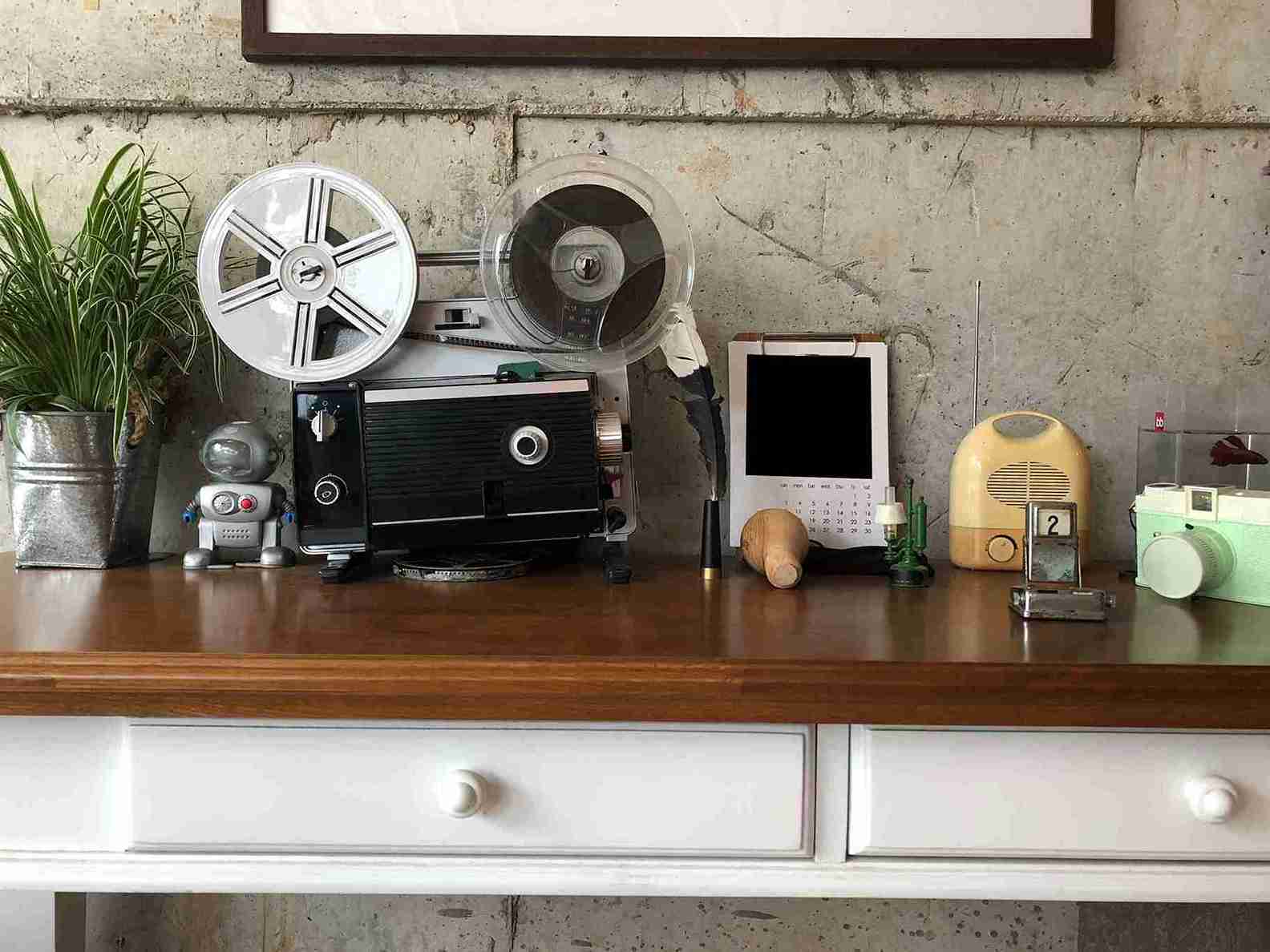
37% prioritize designer water bottles and 33% favor collectibles: Functional everyday items and nostalgic objects lead the categories redefining modern luxury.
GET IT NOW

 Survey Software
Easy to use and accessible for everyone. Design, send and analyze online surveys.
Survey Software
Easy to use and accessible for everyone. Design, send and analyze online surveys.
 Research Suite
A suite of enterprise-grade research tools for market research professionals.
Research Suite
A suite of enterprise-grade research tools for market research professionals.
 Customer Experience
Experiences change the world. Deliver the best with our CX management software.
Customer Experience
Experiences change the world. Deliver the best with our CX management software.
 Employee Experience
Create the best employee experience and act on real-time data from end to end.
Employee Experience
Create the best employee experience and act on real-time data from end to end.