If you’ve attended a CX conference recently, opened LinkedIn, or read a product announcement, you’ve likely noticed something:
Everyone suddenly has “revolutionary” AI.
It’s become the headline feature in nearly every Customer Experience platform.
It’s marketed as autonomous.
Predictive.
Self-improving.
Game-changing.
But when the claims get bigger, scrutiny should too.
Some vendors spent years positioning their intelligence layer as the engine driving automated insight and action. Recently, we’ve seen new strategic alliances introduced to deliver the very agent-level functionality that was previously implied to exist.
So let’s address this directly.
🗨️ Medallia, if Athena’s intelligence engine was already operating at that level, why the reinforcement now?
And then there’s data.
Certain platforms have openly acknowledged using aggregated customer information to enhance the performance of their AI systems. That may improve model accuracy at scale. It also exposes a fundamental divide in how AI is built and governed.
🗨️ Qualtrics, is client feedback being used exclusively to drive that client’s results, or is it also contributing to the advancement of a broader AI ecosystem?
When AI becomes the headline, these aren’t footnotes.
They’re the foundation.
The Real Difference: Architecture Matters
There’s a meaningful distinction between layering AI onto a platform and designing a platform around intelligence from the start.
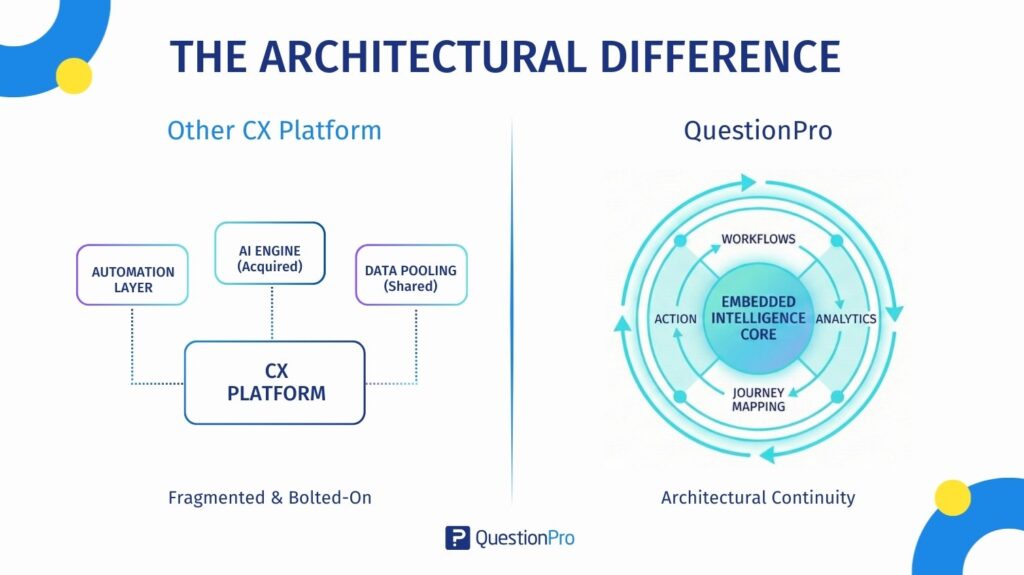
At QuestionPro, AI isn’t an add-on. It’s integrated directly into the workflows that power CX programs, journey mapping, ticket management, and analytics.
It doesn’t rely on external acquisitions to function.
It doesn’t sit on top as cosmetic automation.
It operates inside the system.
👥 Critically, it operates in partnership with the people running your program. Intelligence accelerates insight. Judgment drives the action.
And that includes how data is handled.
We do not pool client feedback to strengthen shared intelligence across unrelated organizations. Your customer data remains compartmentalized within your environment.
Your data powers your success.
Not our profit margins.
That philosophy isn’t a marketing statement.
It’s an architectural decision.
Not a Roadmap. A Reality.
The difference between positioning and performance is simple.
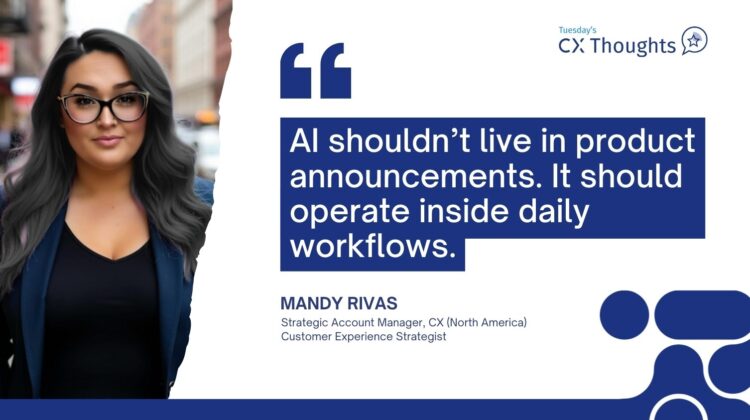
AI shouldn’t live in product announcements.
It should operate inside daily workflows.
Not as training data for next year’s promises.
Within QuestionPro’s CX and Journey Management platforms, fourteen AI capabilities are already production-ready. Many are available across existing license tiers. Others are powering analytics and action frameworks inside our BI layer.
No data harvesting.
No external dependencies.
No waitlists.
Just deployed intelligence.
Already at work.
Let’s Get Specific.
Positioning is easy. Operational depth is harder to fake.
At QuestionPro, embedded intelligence doesn’t live in a single feature category. It surfaces across design, analysis, case management, orchestration, and long-term planning.
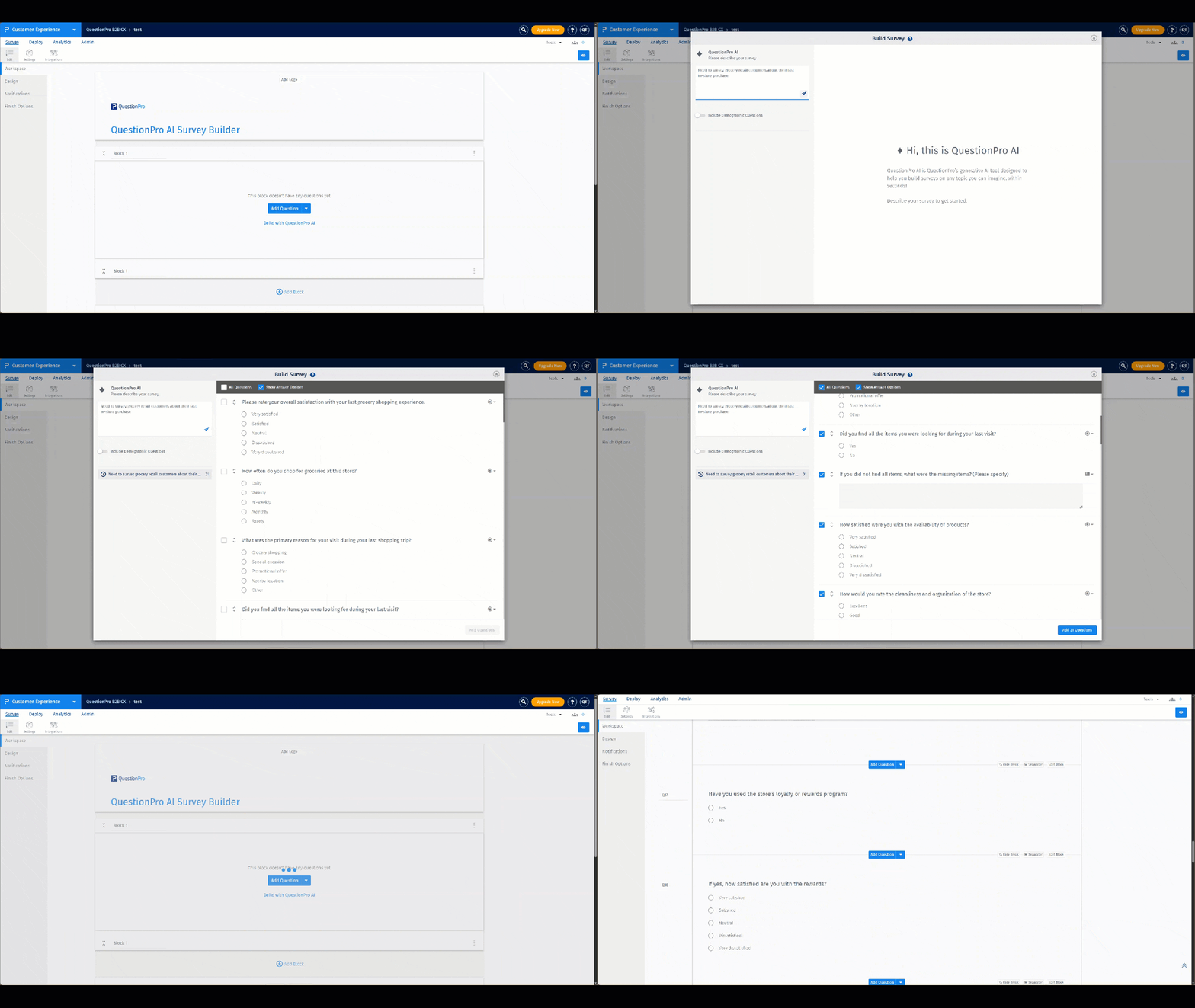
That depth surfaces across the platform:
→ AI-Assisted Survey Builder
→ Open-End Theme Detection and Sentiment Scoring
→ Contextual Ticket Tagging
→ AI-Generated Response Assistance
→ Persona Creation and Refinement
→ Journey Map Generation from Qualitative Input
→ AI-Driven Dashboard Creation
→ Root Cause Analysis with AskWhy Intelligence
→ Frontline Action Recommendations
→ Customer Risk and Outreach Identification
→ Generative Ticket Agents
→ AI-Guided Next Best Actions
→ Strategic Project Plan Generation
→ Persona-to-VoC and Customer 360 Mapping with Revenue Signal Evaluation
This isn’t feature stacking. It’s architectural continuity.
And together, these capabilities shape the entire lifecycle of a CX program.
Where Intelligence Changes Execution
Any platform can claim intelligence.
The real question is whether it changes how work actually happens.
At QuestionPro, it does.
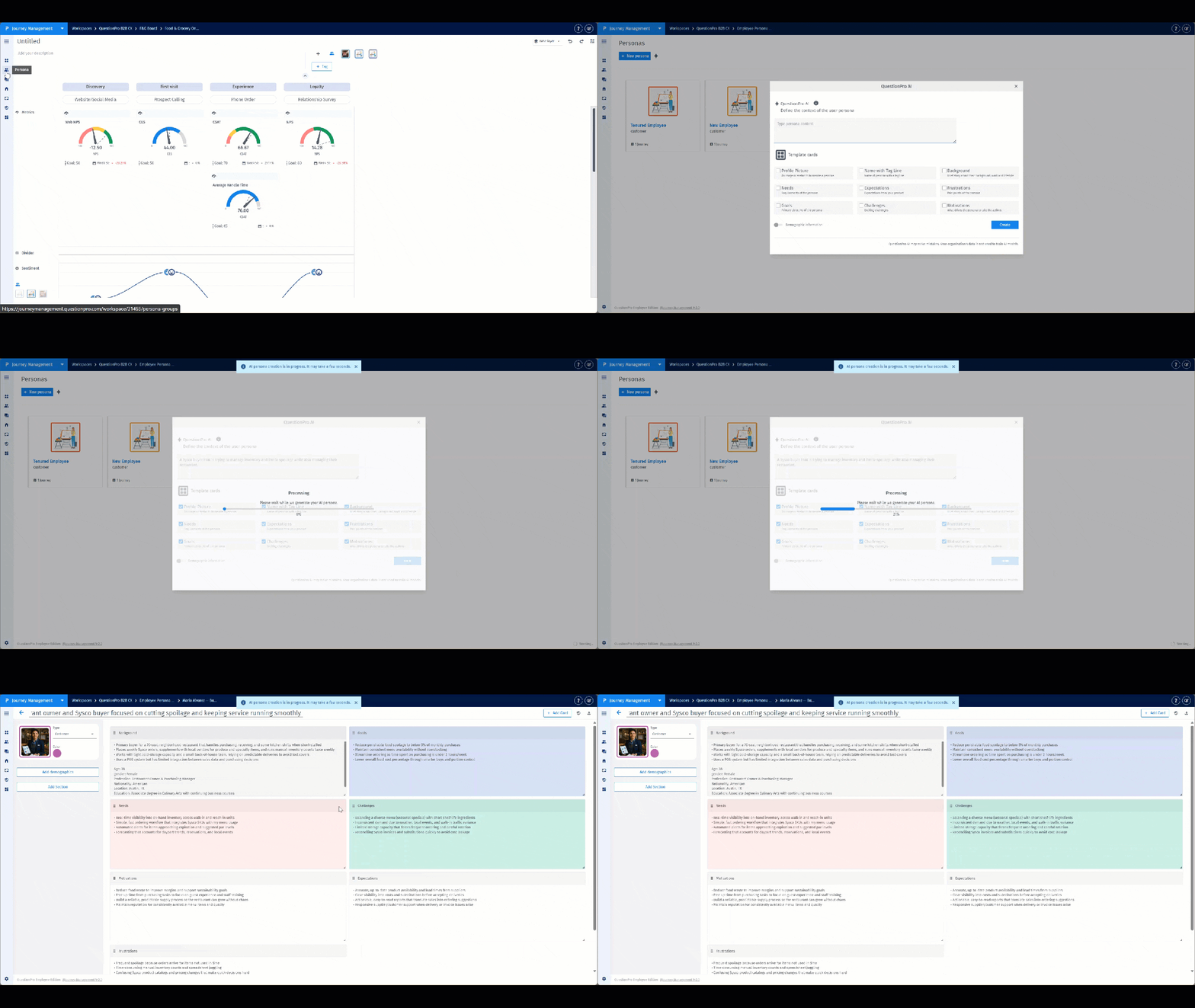
It influences how surveys are drafted and how open-ended feedback is interpreted.
It shapes case prioritization and strengthens frontline responses.
It connects persona theory to live customer data and turns dashboard output into operational direction.
It surfaces risk before churn becomes visible in revenue and links individual interactions to broader journey narratives.
It supports both frontline recovery and executive planning without forcing teams to choose between speed and structure.
Nothing sits in isolation. Each layer informs the next.
That is what intelligence looks like when it’s structurally integrated.
But capability is not a substitute for leadership.
Programs are still designed by people.
Resolution is still handled by teams.
Strategy is still defined by leadership.
The system accelerates interpretation and surfaces direction. It prioritizes, recommends, and detects.
What it cannot do is assume accountability, exercise judgment, understand the broader context behind a decision, or own the result.
👥 At QuestionPro, Human in the Loop isn’t a tagline. It’s a design principle. AI-driven insight informs the work. People own the outcome.
Intelligence scales capability. Leadership determines the impact.
The Future of AI in CX Isn’t About Noise
Artificial intelligence in Customer Experience is no longer a differentiator by itself.
Everyone claims it.
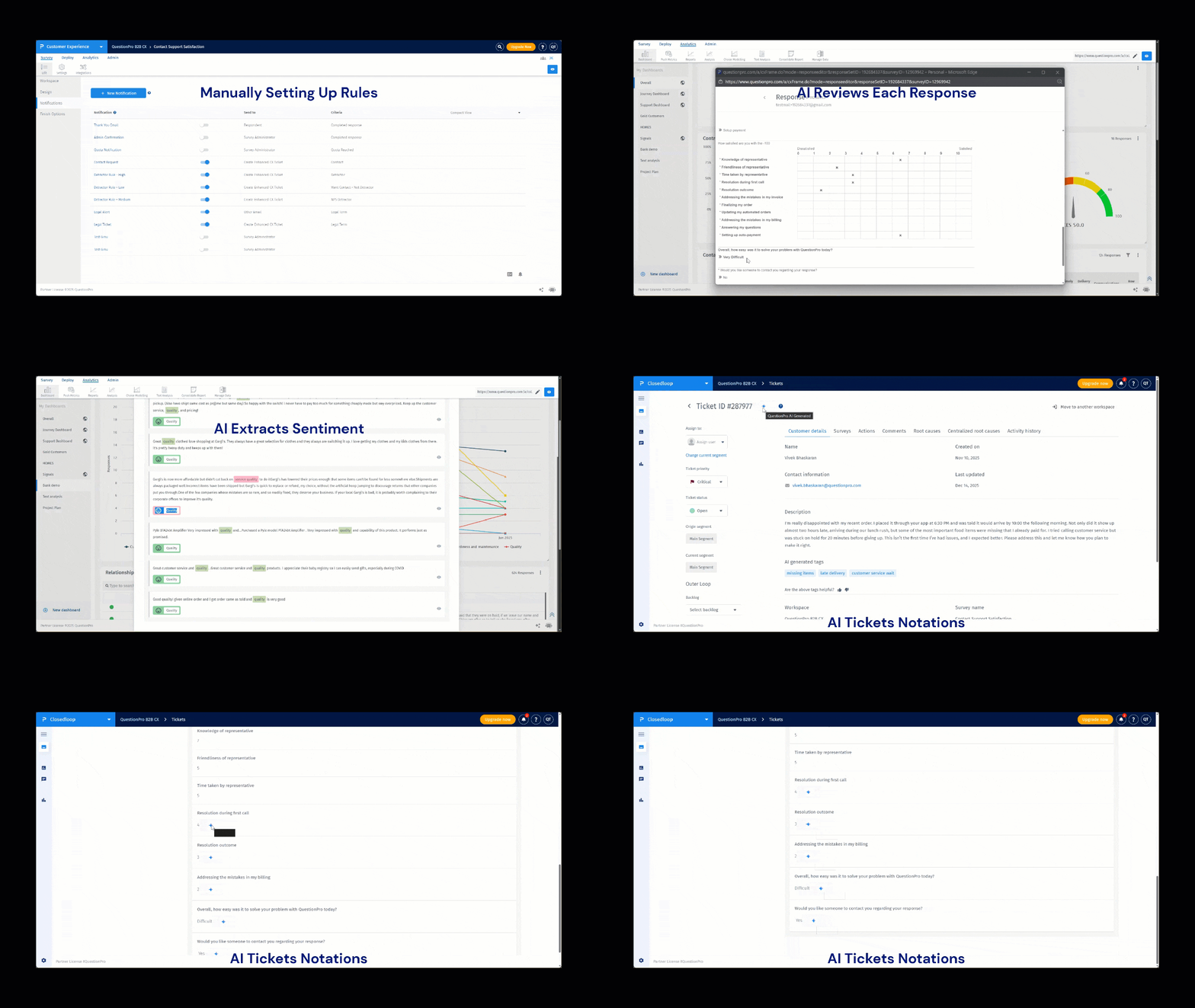
What matters now is how deeply it changes execution.
Does it reduce friction for your teams?
Does it surface risk before revenue walks out the door?
Does it turn qualitative feedback into structured action?
Does it guide managers toward measurable improvement instead of more dashboards?
That’s the standard.
At QuestionPro, AI isn’t positioned as a feature category. It’s woven into the workflows that connect listening, analysis, and action across CX and Journey Management.
→ It accelerates survey design.
→ It interprets unstructured feedback.
→ It prioritizes cases.
→ It generates plans.
→ It connects personas to live data.
→ It drives decisions at the front line.
👥 And it does so without removing judgment from the equation. Customer Experience remains a human discipline. AI simply ensures teams are never operating blindly.
Not theoretically. Operationally.
And the organizations that win in this next phase of CX won’t be the ones who talk about AI the loudest.
They’ll be the ones who build it into the work itself.
The market will sort that out.
We’re doing it now.
If you’re evaluating AI claims and want to see operational depth in action, let’s take it further.
I’m happy to walk you through how this operates inside our platform.