A field advisory board (FAB) is a standing group of frontline sellers, managers, and sales leaders who advise the sales enablement team on training, tools, and field obstacles. It turns daily selling experience into decisions about what gets built, taught, and measured. This guide covers who should join, how to run it, and how to prove it works.
What is a field advisory board?
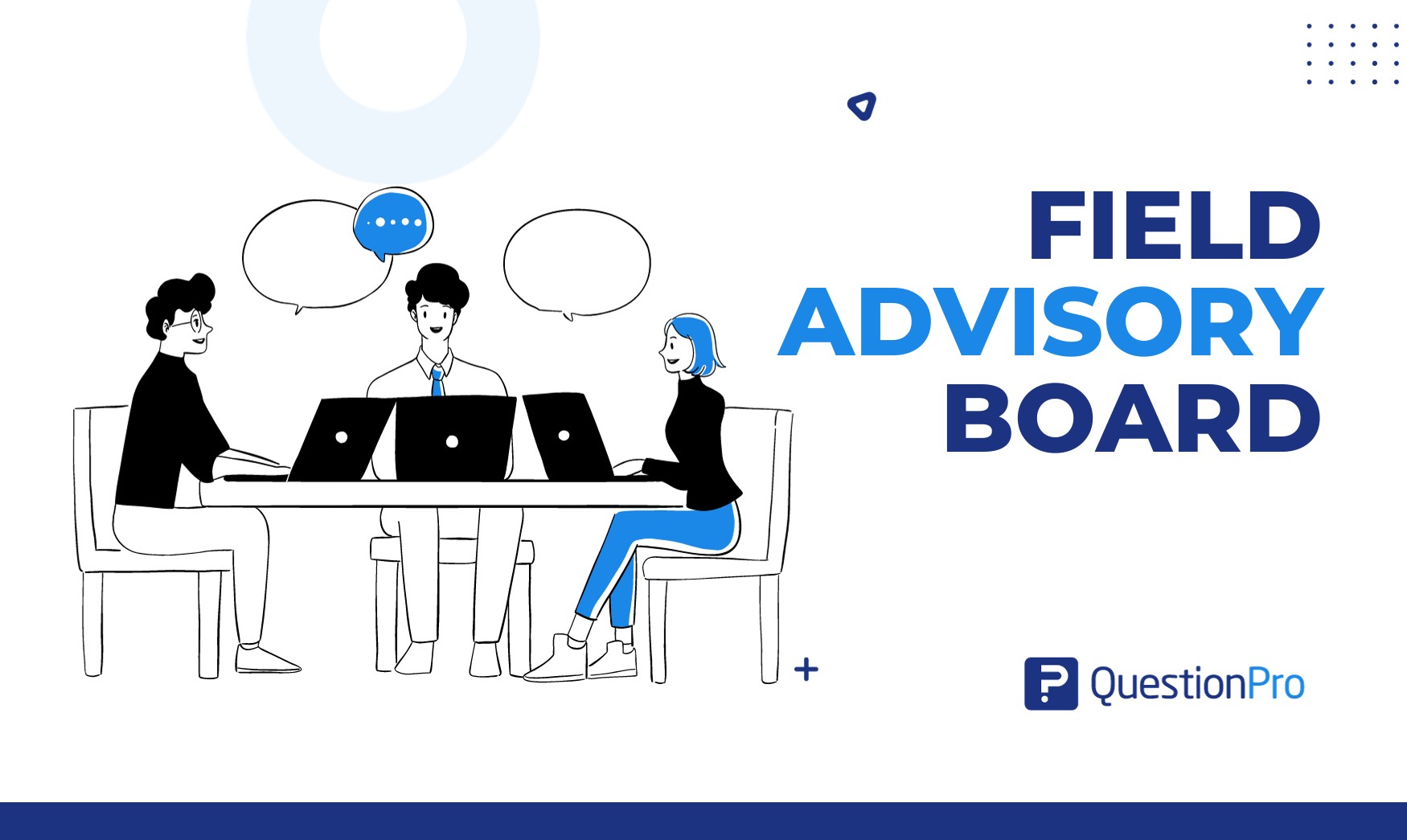
A field advisory board is a small, rotating group of people from the sales organization who meet on a set schedule to give enablement leaders honest feedback from the field. It is a working group, not a governing body. Members advise, test ideas, and carry decisions back to their peers.
The board exists because enablement teams often sit far from the customer conversation. A training program can look strong on paper and still fail in a live call. Board members close that gap by saying what works, what gets ignored, and why.
A FAB is also called a sales advisory board or a sales enablement advisory board. The name varies, but the job is the same: keep sales support grounded in real selling conditions.
How is a field advisory board different from other advisory boards?
Several advisory groups sound alike but answer different questions. The table below separates them by who sits on the board and what it informs.
| Board type | Who sits on it | What it informs |
|---|---|---|
| Field advisory board | Internal sellers, sales managers, and enablement staff | Sales training, tools, coaching, and field obstacles |
| Customer advisory board | A select group of key customers | Product, service, and business strategy feedback from customers |
| Strategic advisory board | Outside experts and senior advisors | Leadership decisions, seen from the outside in |
The key difference is perspective. A FAB looks at selling from the inside, through the people who do it every day. A customer board looks at the company from the buyer’s side.
Why does a sales team need a field advisory board?
A sales team needs a field advisory board because it gives enablement leaders a direct, regular line to the people who use their programs. Without one, feedback arrives late, filtered, or only from the loudest voices.
The practical benefits fall into five areas:
- Diverse expertise: Members from different roles, regions, and tenures show you a fuller picture than any single manager can.
- Faster problem spotting: Reps flag a broken process or confusing tool before it hurts pipeline.
- Better training fit: Content gets tuned to what sellers actually face, so it feels useful instead of generic.
- Peer credibility: A message from a respected rep lands harder than a memo from headquarters.
- Shared ownership: Sellers who help shape a program are more likely to use it.
None of these benefits happens automatically. They depend on clear goals, the right members, and follow-through, which the next sections cover.
Who should be on a field advisory board?
The best boards mix performance levels, tenures, and roles, so no single viewpoint dominates. Aim for a group small enough to talk freely and large enough to represent the field. Most teams land between 8 and 15 members, though your size depends on the number of regions and segments you cover.
Which roles should you include?
Consider these seats when you build the roster:
- Top performers: They show what good looks like and which habits are worth teaching.
- Average performers: They represent the largest group and often reveal where the standard playbook falls short.
- New hires: They spot onboarding gaps that veterans stopped noticing.
- Front-line sales managers: They see coaching constraints and how training gets reinforced.
- Early adopters: They test new tools and say honestly whether those tools help.
- An executive sponsor: This person clears roadblocks and signals that the board’s input matters.
- Enablement and operations staff: They own the follow-up and keep the board connected to programs.
How long should members serve?
Set a fixed term, for example 12 months, and rotate a portion of seats each cycle. Rotation brings fresh views and prevents the board from becoming a clique. It also spreads the time commitment across more people.
How do you build a field advisory board step by step?
You build a field advisory board by defining its purpose, choosing members, setting a cadence, and committing to act on what you hear. The steps below give you a repeatable order.
- Define the purpose and scope.
Write two or three goals, such as improving sales training, refining tools, or finding field obstacles. State what the board will not decide, so members know where their input stops. - Write a short charter.
Cover membership, term length, meeting frequency, confidentiality, and how decisions get made. One page is enough. - Select and invite members.
Use the role list above. Ask managers to nominate, then confirm that each person has time and interest. - Secure an executive sponsor.
Pick a leader who will attend key sessions and act on recommendations. Boards without a sponsor tend to fade. - Set a regular meeting rhythm.
Many teams meet monthly, because it keeps momentum without overloading schedules. Quarterly works for smaller teams if you collect input in between. - Collect input between meetings.
Short surveys let members and the wider field weigh in without waiting for the next session. - Close the loop in public.
After each meeting, share what you heard, what you will change, and what you will not. Silence kills participation faster than any scheduling problem.
What should a field advisory board meeting cover?
A good meeting is structured, time-boxed, and ends with named owners for each action. Keep it to about an hour so members can fit it around selling. The sample agenda below is one way to use that time.
| Segment | Minutes | Purpose |
|---|---|---|
| Review last meeting’s actions | 10 | Show that feedback led to action |
| Metrics and field data | 10 | Review training and adoption results |
| Field experience share | 15 | Members describe wins and obstacles from real deals |
| Tool and content review | 15 | Test a new asset, checklist, or process |
| Decisions and next steps | 10 | Assign owners and deadlines |
Rotate the discussion lead so different voices set the tone. Send pre-reads two days ahead, so the meeting itself is for discussion, not presentation.
How does a field advisory board improve sales enablement?
A field advisory board improves sales enablement by shaping what the team builds, how it rolls out, and how it gets reinforced. The impact shows up in six areas, each tied to a specific board activity.
- Communication and ambassadors: Board members share the value of a new program with peers and tell real stories of using new skills. Peers trust that account more than an announcement.
- Tool customization and adoption: Members review training tools, call guides, and checklists, then say what to change. A tool shaped by sellers fits actual sales situations, so adoption rises.
- Field obstacles identified and solved: The board surfaces recurring problems, such as slow approvals or unclear pricing rules. Members propose fixes together and test them with their own teams first.
- Coaching roadmap: Board discussion helps enablement build a roadmap for improving specific skills. It lists coaching steps and resources, so managers know how to support each skill.
- Planning for success: Members help define what success looks like before a program launches. Setting measurable criteria up front makes it easier to judge results later.
- Continuous training: Because the board meets regularly, training becomes an ongoing cycle of feedback and refinement instead of a one-time event.
How do you measure whether a field advisory board is working?
You measure a field advisory board by tracking participation, follow-through, and the downstream results of the programs it shapes. Pick a few metrics before the first meeting and review them each quarter. Avoid claiming credit for revenue changes the board cannot isolate.
| Metric | What it tells you | How to collect it |
|---|---|---|
| Meeting attendance rate | Whether members see value | Attendance log |
| Recommendations adopted | Whether input leads to action | Action tracker with status |
| Tool and content adoption | Whether sellers use what the board shaped | Usage data and field survey |
| Rep confidence in new skills | Whether training sticks | Short pulse survey after rollout |
| Time to productivity for new hires | Whether onboarding improved | Ramp data compared with prior cohorts |
| Field satisfaction with enablement | Whether the wider team feels heard | Quarterly survey |
A short employee pulse survey after each rollout gives you a repeatable read on confidence and adoption. Compare results with the cohort before the board launched, and note that other factors also move these numbers.
What mistakes weaken a field advisory board?
Most boards fail from weak follow-through, not weak ideas. Watch for these common problems.
- No clear purpose: Meetings drift into status updates and members stop attending.
- Only top performers: The board misses the struggles of the average seller, who represents most of the team.
- Feedback with no response: Members stop speaking up when nothing visibly changes.
- No executive backing: Recommendations stall when no one has authority to approve them.
- Overloaded schedules: Long meetings and heavy prep push busy sellers out.
- Treating the board as the whole field: Members represent peers but cannot replace broader input, so keep surveying everyone. Good employee feedback practice supports this, because it gathers views beyond a small group.
How can QuestionPro help run a field advisory board?
QuestionPro helps a field advisory board gather structured input from members and the wider sales team between meetings, then turn it into reportable results. The most useful capabilities for a FAB are quick surveys, anonymity options, and live reporting.
- Survey creation: Build short surveys on training effectiveness, tool usage, or field obstacles with survey software in minutes.
- Anonymous feedback: Run anonymous surveys so reps can name problems with managers or processes without worry.
- Real-time reporting: Dashboards update as responses arrive, so the board can review fresh data at each session.
- Repeatable pulses: Send the same short survey after each rollout and compare results over time.
For example, an enablement lead who rolls out a new discovery-call checklist could survey the field two weeks later, bring the results to the next board meeting, and ask members to explain the gaps. The board then recommends changes, and the next pulse shows whether they worked.
Is a field advisory board worth the effort?
A field advisory board is worth the effort when your enablement team wants feedback that reflects real selling, and when leaders are ready to act on it. It costs a few hours a month from busy people, so the return depends on visible results. Start small, set a clear charter, and close the loop every time. A board that listens and responds becomes the fastest way to keep training, tools, and coaching connected to the field.
Frequently Asked Questions (FAQs)
In sales enablement, FAB usually means field advisory board: a group of frontline sellers and managers who advise enablement leaders. Note that FAB also stands for features, advantages, and benefits, a separate selling framework used to describe products.
Monthly meetings of about an hour work for many teams because they keep momentum without overloading sellers. Smaller teams can meet quarterly and gather input through short surveys in between. Choose a rhythm members can sustain, then protect it.
Most boards work well with roughly 8 to 15 members, enough to represent regions, segments, and tenure levels while still allowing real discussion. Larger organizations can add regional sub-groups. Rotate seats each year to keep views fresh.
The enablement team usually facilitates, while a rep or front-line manager co-chairs to keep the agenda practical. An executive sponsor supports from outside the room. Mixing roles prevents the board from sounding like a management briefing.
Not usually. A field advisory board is internal and focuses on sales execution. Customers belong on a customer advisory board, which gathers buyer views on products and strategy. Some companies run both and share findings between them.
Show that input changes decisions. Share a short summary after each meeting listing what you will act on, what you will not, and why. Recognize members publicly, keep meetings short, and rotate seats so no one feels stuck.