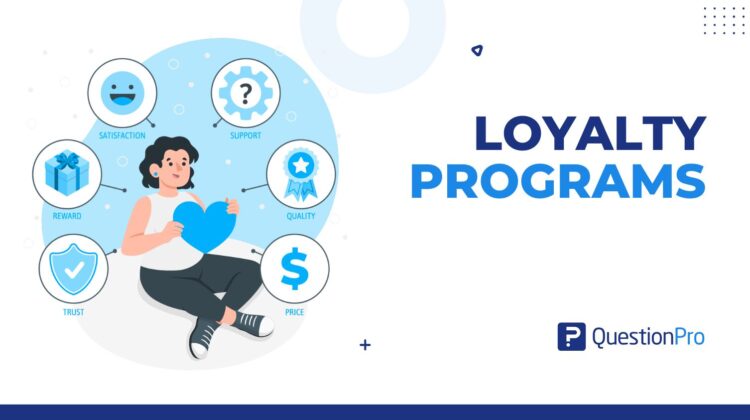
A loyalty program, often called a customer loyalty program, rewards customers for coming back, usually through points, discounts, or perks tied to repeat purchases or engagement. The idea is simple: the more a customer buys or interacts with your brand, the more they get in return.
The payoff for getting this right is large. Retaining customers costs far less than acquiring new ones, and a small improvement in retention can move company profits by a wide margin. Loyalty programs also give businesses a structured reason to collect purchase data, follow up with individual customers, and turn satisfied buyers into the kind of brand ambassadors who bring in new customers without being asked.
In this article, we’ll cover what a loyalty program actually is, the main types businesses use, the real benefits behind them, how to build and measure one, and a few real examples worth learning from.
What is a loyalty program?
A loyalty program is a structured system where a business rewards customers for repeat purchases or ongoing engagement, typically through points, discounts, vouchers, or exclusive perks. Whether you call it a loyalty program or a customer loyalty program, the mechanics are the same: customers earn rewards through actions like purchases, referrals, reviews, or reaching a membership milestone, then redeem them for free products, services, or price reductions.
Programs vary in mechanics, but the underlying goal stays the same: give customers a reason, beyond the product itself, to keep choosing your brand over a competitor’s. A few common reward units include:
- Points earned per dollar spent or per action taken
- Vouchers or coupons redeemable on a future purchase
- Free products or samples tied to a spending threshold
Types of loyalty programs
Most loyalty programs fall into a handful of common models. Choosing the right one depends on your purchase frequency, margins, and how much operational complexity you’re ready to manage.
| Type | How it works | Best for |
|---|---|---|
| Points-based | Customers earn points per purchase or action, redeemable for rewards | Retailers and brands with frequent, varied purchases |
| Tiered | Customers move up status levels (e.g., silver, gold, platinum) as they spend more | Brands wanting to reward and retain top spenders specifically |
| Paid or subscription | Customers pay a recurring fee for ongoing benefits like free shipping or exclusive access | Brands that can deliver consistent, high-perceived-value perks |
| Punch card or stamp | Reward granted after a set number of visits or purchases | Coffee shops, quick-service restaurants, and local retail |
| Cashback | A percentage of spend returned as credit or cash | Businesses wanting a simple, transparent value exchange |
| Coalition | Multiple brands share one points currency across a partner network | Retailers, airlines, or banks looking to extend reward value through partners |
| Value-based | Rewards tied to a cause, like donating points to charity | Brands whose customers care about social or environmental impact |
Many businesses blend two or three of these, most often points plus tiers, rather than committing to a single model.
Why a customer loyalty program matters
A customer loyalty program isn’t just a nice-to-have; it directly affects retention, referrals, and profit.
- Retention drives profit disproportionately.
Research from Bain & Company, published in Harvard Business Review, found that a 5% increase in customer retention can increase profits by 25% to 95%, depending on the industry.
- Referrals convert at a higher rate.
Customers who join through a recommendation trust the brand faster than those who find it cold, which shortens the sales cycle.
- It’s cheaper than constant acquisition.
Nurturing a lead through the marketing and sales funnel takes real time and budget; rewarding an existing customer to keep buying costs a fraction of that.
- It gives you a reason to collect customer data.
A loyalty program (especially one using a card or account login) lets you track purchase behavior and build a real profile per customer, which supports more personalized service.
- It strengthens the emotional relationship.
Customers who feel recognized and rewarded are more likely to talk about your brand unprompted, which is how brand ambassadors get made in the first place.
- It gives you an ongoing lever on retention rate.
A working loyalty program should show up directly in that number over time, not just in anecdotal feedback from happy members.
That last point matters more than it might seem. Microsoft’s State of Global Customer Service Report found that 60% of consumers globally, and 63% in the US specifically, have stopped doing business with a brand after just one bad experience. A loyalty program doesn’t fix a broken customer experience, but it does give you an ongoing channel to catch dissatisfaction before someone walks away for good.
How to build a customer loyalty program
Building a loyalty program happens in two phases: designing it, then running it well enough that people actually stay engaged.
- Study your current customers.
How long have they stayed? Do they pay on time? What do they buy most often? This baseline shapes everything that follows.
- Assess satisfaction before you design anything.
Run a customer satisfaction survey, interviews, or ongoing feedback tracking to understand what customers actually value before locking in a reward structure.
- Set goals, then a budget.
Decide what success looks like (repeat purchase rate, reduced churn, higher average order value) before you commit spend to running the program.
- Segment which customers to target.
Classify customers by purchase volume, payment speed, or product type rather than treating your whole base the same way.
- Choose tactics that go beyond transactions.
Reward behaviors that build a relationship, like referrals or reviews, not only purchases.
- Keep every interaction meaningful.
Once someone joins, communication from your side should add value: helping them get more from the product, not just reminding them to buy again.
- Keep reminding members what they’re earning.
A regular nudge on how to earn or redeem rewards keeps the program from fading into the background.
- Reward, celebrate, and share success stories.
Emotional recognition sticks longer than a plain transactional discount, and public success stories keep other members engaged.
Curious about the tools behind this? See our guide to customer loyalty software for a closer look at what a dedicated customer experience platform adds to program design.
How to measure a loyalty program’s success
Launching a program is the easy part. Knowing whether it’s actually working requires tracking a few specific numbers over time.
| Metric | What it tells you | How to read it |
|---|---|---|
| Customer Retention Rate (CRR) | How many customers stay over a given period | A rising CRR after launch is the clearest sign the program is working |
| Net Promoter Score (NPS) | How likely customers are to recommend your brand | Scores of 8-10 are promoters, 6-7 are passives, below 6 are detractors |
| Redemption rate | Share of earned rewards customers actually redeem | Low redemption often means rewards feel out of reach or unclear |
| Repeat purchase rate | How often loyalty members buy again versus non-members | A meaningful gap between the two groups shows real program impact |
If retention isn’t moving and redemption stays low, the issue is usually the reward structure itself, not the marketing around it. Compare your NPS against a CSAT approach to decide which one better reflects what you’re trying to measure.
Common loyalty program mistakes to avoid
Most underperforming loyalty programs fail for a handful of predictable reasons:
- Unclear reward value: If customers can’t quickly tell what a point is worth, they disengage rather than track it.
- Too many tiers, too little difference between them: A tier structure only motivates people if the jump to the next level feels achievable and clearly better.
- Generic, transaction-only communication: Messages that only remind people to buy again read as marketing, not recognition.
- No feedback loop: A program built once and never revisited misses shifts in what customers actually value over time.
Real examples of loyalty programs
A few well-known programs illustrate how the types above play out in practice.
- Nespresso built a program around the brand experience itself, not just discounts, hosting tasting workshops and cultural and gastronomic events that reinforce why customers chose the brand to begin with. This turns a coffee purchase into an ongoing relationship rather than a one-time transaction.
- A retail points program might let shoppers earn points at participating stores, redeemable through an online rewards catalog, similar to how many multi-brand retailers structure their programs. This works well when purchase frequency is high enough for points to accumulate to something meaningful.
- A grocery chain’s points system could convert monthly purchases directly into a discount on the next shopping bill, a straightforward cashback-style model that customers understand without needing to learn a points-to-dollar conversion.
- A co-branded credit card program might reward spend with points redeemable for tickets or experiences rather than pure cash value, borrowing the coalition model to extend reward value across a partner network.
The common thread across all of them: the reward has to feel proportionate and easy to redeem, or the program becomes background noise instead of a reason to come back.
Building a loyalty program around real feedback
The mechanics of a loyalty program, points, tiers, cashback, matter less than whether it’s built on an accurate picture of what your customers actually want. That picture comes from ongoing feedback, not assumptions made at launch.
Tracking customer experience alongside program performance is what turns a generic rewards scheme into one that measurably reduces churn and creates the kind of customers who recommend you without being asked.
Frequently Asked Questions (FAQs)
There’s no fixed number. Budget should follow your goals: factor in reward costs, the platform or software running the program, and staff time to manage it. Start with a modest pilot tied to one customer segment before scaling spend across your full base.
It varies by industry, but the direction matters more than a single benchmark. Since a 5% retention improvement can raise profits by 25-95%, even a modest, sustained increase in your own retention rate is worth tracking closely.
Yes, though the model should match their scale. A simple punch card or points system often works better for a small business than a complex tiered or coalition program, which need higher volume to justify the added complexity.
The terms are often used interchangeably, and most people searching for either mean the same thing. In practice, “rewards program” tends to describe the transactional mechanic, like points or cashback, while “loyalty program” describes the broader relationship strategy those rewards are meant to support.
Watch retention rate, redemption rate, and NPS together rather than any single number. A program is working when retained customers are growing, rewards are being redeemed regularly, and members score meaningfully higher on NPS than non-members.