Have you ever wondered if your customers truly know your brand? Do they recognize it instantly, or does it get lost in the noise of competitors? Understanding how familiar your audience is with your brand is crucial, and a brand awareness survey is the perfect tool to measure this.
Think about it: When you hear the word “coffee,” what’s the first brand that pops into your mind? It’s likely a specific logo, a taste you love, or even an emotional connection. This is brand recognition in action. It’s the kind of insight you can get from a well-crafted brand awareness survey.
In this post, we’ll guide you through how to set up a brand awareness survey, ask the right questions, distribute it to the right audience, and take action on the results.
What is a Brand Awareness Survey?
A Brand Awareness Survey helps businesses understand how familiar people are with their brand, products, or services. Essentially, it measures how well your target audience can recognize or recall your brand compared to competitors. This type of survey is crucial for understanding where your brand stands in the market and how effective your marketing efforts are.
By conducting a brand awareness survey, companies can gather data on how well their brand is recognized, how often it is top of mind for consumers, and how people feel about it. This insight helps brands improve their strategies, adjust their messaging, and ensure that their target audience is fully aware of their presence.
Why is Brand Awareness Survey Important?
Brand awareness is a critical metric for any business, as it often lays the foundation for customer loyalty and sales. The more people recognize and recall your brand, the more likely they are to consider purchasing from you when they are ready to make a buying decision.
It’s an early step in the customer journey, and without brand awareness, the customer may never even consider your product.
- Identify Brand Strength and Recognition: Brand awareness survey Measures how easily people recall or recognize your brand (unaided vs. aided awareness). It shows how memorable your brand is in the market.
- Measure the Effectiveness of Marketing Campaigns: This survey indicates whether campaigns have successfully increased brand awareness. It highlights when strategies need to be adjusted.
- Compare Against Competitors: This survey reveals how your brand’s recognition stacks up against competitors. It helps identify if you need to improve positioning or strategy.
- Identify Opportunities for Improvement: Brand awareness survey pinpoints gaps in awareness for specific products or audiences. Guides targeted marketing to strengthen weak areas.
Types of Brand Awareness Surveys
When businesses want to understand how well their brand is known, they use different types of brand awareness surveys. Each type looks at a different aspect of how people recognize and think about your brand. Here’s a breakdown of the most common types of brand awareness surveys:
Brand Recall Surveys
A brand recall survey is focused on measuring how easily people can remember your brand without any help. This type of survey asks respondents to name the first brand that comes to their mind when thinking about a particular product category. The goal is to see if your brand pops into people’s minds without any prompts.
This survey is essential because it measures unaided awareness of how strong your brand is in people’s memories. If your brand is one of the first mentioned, it shows that it has a strong presence in the market.
Brand Recognition Surveys
Brand recognition surveys test how well people can identify your brand when given visual or textual cues, like logos, names, or taglines. Unlike recall surveys, recognition surveys are all about aided awareness, which is when people can recognize your brand after being shown a list of options or images.
This type of survey helps businesses understand if their branding is making an impact. It checks whether your audience can easily recognize your brand when they encounter it in advertisements, on store shelves, or online.
Key points of brand recognition surveys:
- Tests recognition of logos, taglines, packaging, or product designs.
- Helps assess how well your brand visuals resonate with your audience.
- Shows the impact of advertisements and promotional campaigns.
Brand Image Surveys
A brand image survey goes beyond simple recognition and looks at how people perceive your brand. It focuses on attitudes and opinions about your brand, including the feelings or associations people have when they think of your company.
This type of survey helps businesses understand their brand reputation and how consumers view their products or services.
- Are they seen as high-quality, innovative, or trustworthy?
- Or do they need to work on improving their image?
Brand image surveys give you insight into what customers think, which can be used to shape your marketing strategies.
Top-of-Mind Awareness Surveys
Top-of-mind awareness (TOMA) surveys are designed to measure which brand comes to a person’s mind first when thinking about a specific product category. This is a powerful metric because it shows which brands are the most memorable or dominant in a consumer’s mind.
If your brand consistently appears first when people think about your category, it indicates strong brand awareness and market dominance. TOMA surveys give businesses a clear picture of how well their brand is recognized compared to competitors.
Who Should You Target With a Brand Awareness Survey?
When conducting a brand awareness survey, it’s important to target the right audience to get meaningful insights. The people you survey should match your ideal customers or target market. Here are some key groups to consider:
- Current Customers: They already know your brand and can provide insights into how well your messaging is resonating and how familiar they are with your products.
- Potential Customers: Target people who fit your ideal customer profile but haven’t yet purchased from you. This can help you understand how much awareness you need to build in this group.
- Demographic Segments: Consider factors like age, gender, income, and location. Different demographics might have different levels of awareness and perception about your brand.
- Competitor Audiences: Survey customers of your competitors to compare how familiar they are with your brand vs. your competitors.
- Industry Professionals: If you’re in a niche industry, targeting professionals or experts in your field can provide insights into how your brand is viewed by those who know the market best.
- Geographic Focus: If you’re running a local campaign, focus on respondents within a specific region or city to see how familiar they are with your brand in that area.
By targeting these groups, you can get a comprehensive view of your brand awareness across different segments and use that data to refine your marketing strategy.
Learn About: Brand Perception: What it is & How to Measure It
Step-by-Step Guide: How to Create an Effective Brand Awareness Survey?
Creating a brand awareness survey that provides valuable insights requires careful planning. Here’s how you can design an effective survey to understand how well your brand is known and perceived:
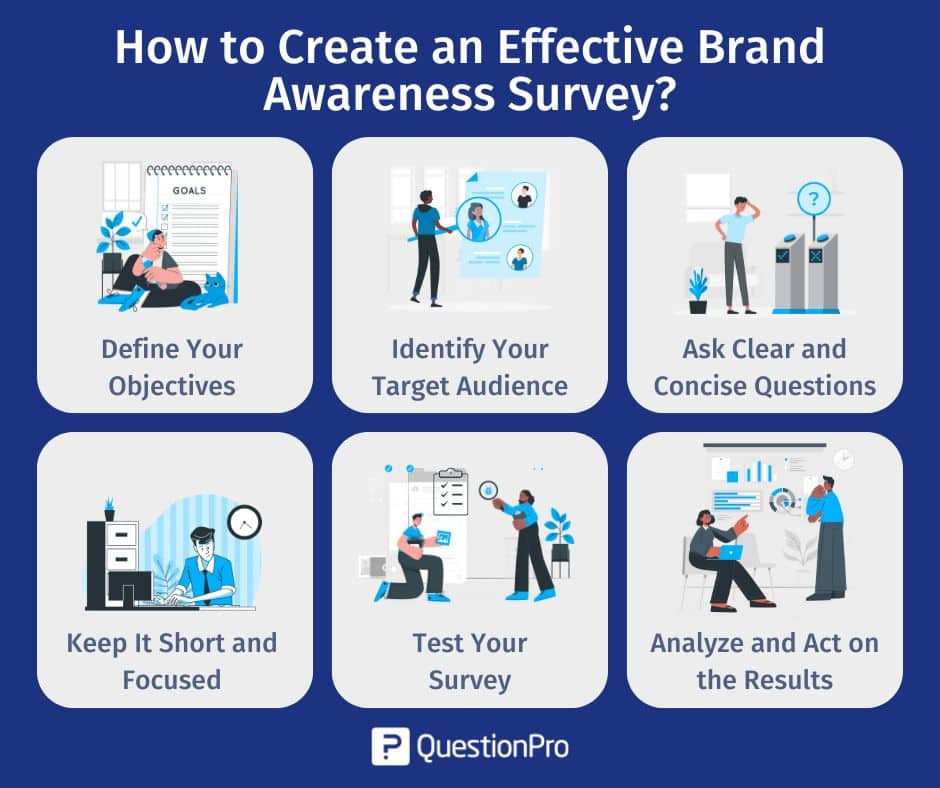
1. Define Your Objectives
Before you start creating your survey, you need to know what you want to achieve. Are you trying to measure how recognizable your brand is? Do you want to assess how people perceive your brand? Clear goals will help guide your survey questions.
- Are you tracking awareness before and after a campaign?
- Are you comparing your brand to competitors?
- Do you want to understand how different demographics view your brand?
2. Identify Your Target Audience
The success of your survey largely depends on who you survey. Your target audience should reflect your ideal customers. This will give you insights into how familiar they are with your brand and their overall perception of it. Make sure to consider not only current customers but also potential ones, and possibly even competitor audiences, to understand how your brand stands in the marketplace.
3. Ask Clear and Concise Questions
Keep your questions simple and to the point. Avoid complicated wording that could confuse your respondents. The goal is to get clear, actionable answers.
- Use closed-ended questions for easy analysis (e.g., yes/no, multiple choice).
- Include open-ended questions to capture more detailed responses when needed.
4. Keep It Short and Focused
To maintain high engagement, your survey should be short and focused. Aim for a survey length that can be completed in about 5–10 minutes. Ensure the questions are clear, direct, and relevant to the survey’s objectives. A concise survey is more likely to be completed, and you’ll receive more accurate, usable responses.
5. Test Your Survey
Before launching your survey to a broader audience, conduct a test with a small group of people. Ask them to complete the survey and provide feedback on any questions that might be unclear or confusing. This testing phase will allow you to refine the survey, ensuring that it’s easy to understand and flows logically.
6. Analyze and Act on the Results
Once the survey is complete and the data is collected, analyze the results to uncover patterns and insights. Look for trends in how different demographics or customer segments recognize or perceive your brand.
Use this data to make informed decisions about your brand’s positioning and marketing strategies. Regularly conducting these surveys will help you track changes over time and adjust your approach as needed.
Recommended Read: Brand Awareness Survey Questions + Sample Questionnaire Template
How to Use a Brand Awareness Survey for Market Research
A brand awareness survey is a practical market research tool that shows how people recognize, recall, and perceive your brand. Use it to compare your position to competitors, find perception gaps, and shape smarter campaigns based on evidence.
Understand your market position
Track unaided and aided awareness to see if your brand comes to mind first or only with prompts. This reveals true mental availability and where competitors outshine you.
Identify customer perception
Look beyond recognition to learn what people associate with your brand, like quality, trust, or value. Use these insights to correct misunderstandings and reinforce strengths.
- Segment results for deeper insights
- Break down awareness by age, region, gender, and buyer status.
- Compare existing customers vs prospects to spot growth opportunities.
- Prioritize segments with low recall but high potential.
Measure campaign effectiveness
Run pre- and post-surveys around launches and media flights. If recall, recognition, and positive sentiment lift, the message and channels are working. If they do not, adjust creative or targeting.
Discover new market opportunities
Use gaps to guide expansion. Strong awareness in one category or region may signal room to stretch into adjacent products or new locations.
- Build data-driven strategies
- Combine awareness data with satisfaction, usage, and competitor tracking.
- Align messaging to the attributes people already believe.
- Set targets for TOMA, unaided, and aided awareness, then review quarterly.
Turn insights into action
Translate findings into clear next steps: refine copy, rebalance channel spend, refresh brand assets, and plan focused campaigns for underperforming segments. Re-run the brand awareness survey on a regular cadence to track progress.
Examples of Brand Awareness Survey Questions
When conducting a brand awareness survey, it’s important to ask the right questions to gather useful data. The types of questions you ask will help you understand how well people know your brand and how they perceive it. Here are some examples of effective brand awareness survey questions:
1. Unaided Awareness Questions
These questions help you measure brand recall without providing any prompts. You’re testing how easily someone can remember your brand on their own.
- “What brand comes to mind when you think of [product category]?”
- “Can you name any brands you associate with [specific product or service]?”
2. Aided Awareness Questions
Aided awareness questions provide a list of brands and ask respondents to recognize which ones they have heard of. This measures how familiar people are with your brand when given a prompt.
- “Which of the following brands have you heard of?” (List of brands)
- “From the list below, which brands do you recognize?” (Show logos or product images)
3. Brand Recognition Questions
Brand recognition questions help assess whether people can identify your brand based on specific cues, such as logos or slogans.
- “Have you seen this logo before?” (Show brand logo)
- “Which of these taglines do you associate with [Brand Name]?”
(Provide a list of taglines, including the correct one.)
4. Brand Perception Questions
While brand awareness is about recognition, brand perception focuses on how people feel about your brand. These questions help you understand the emotional connection your audience has with your brand.
- “How would you describe your overall opinion of [Brand Name]?”
- “What words would you use to describe [Brand Name]?”
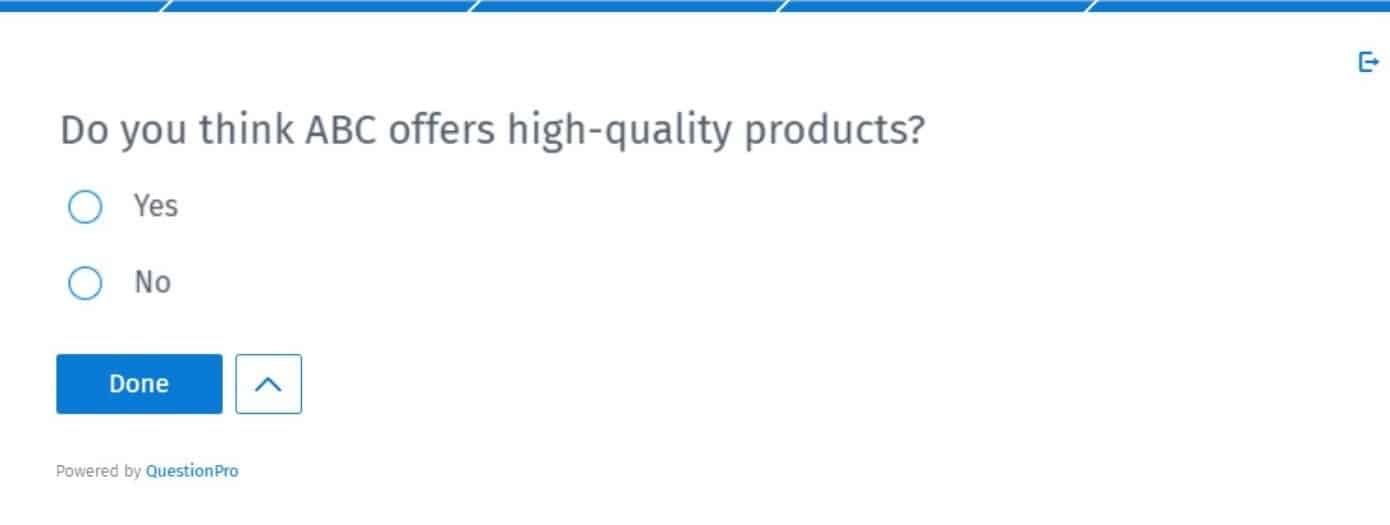
- “Do you think [Brand Name] offers high-quality products?”
5. Ad Recall and Campaign Awareness Questions
These questions focus on testing whether respondents recall seeing or hearing any advertisements or marketing materials from your brand.
- “Have you seen any ads for [Brand Name] in the last 30 days?”
- “Where did you see or hear the most recent advertisement for [Brand Name]?”
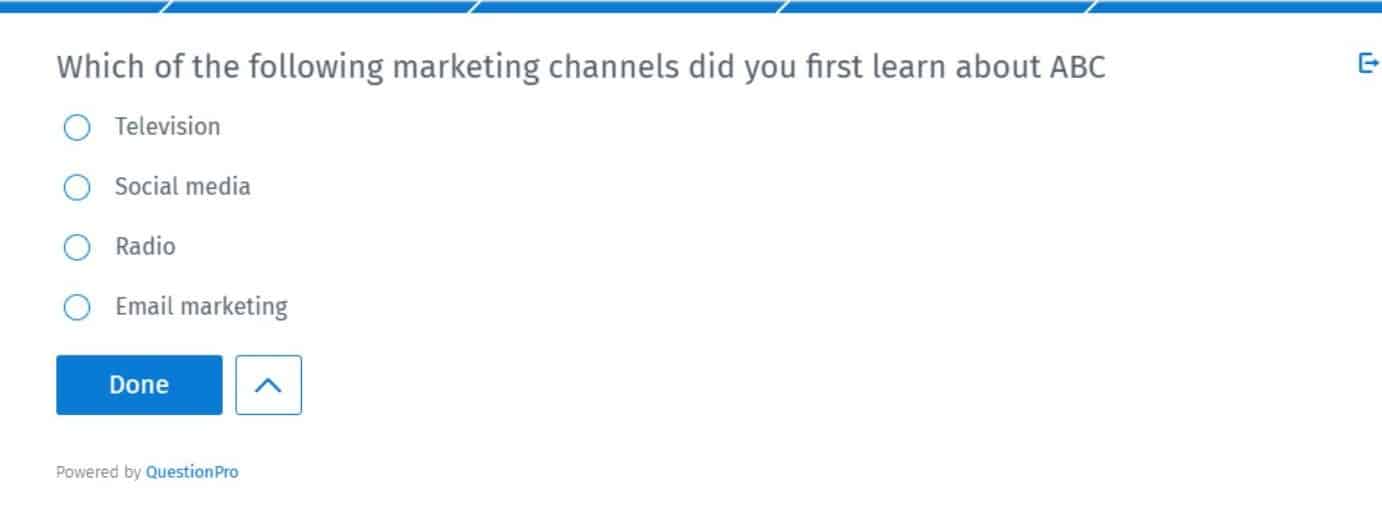
- “Which of the following marketing channels did you first learn about [Brand Name] from?” (e.g., TV, social media, radio, etc.)
Best Practices to Turn Brand Awareness Survey Insights into Action
Once you’ve gathered insights from your brand awareness survey, it’s time to put that data to work. The key is to turn your findings into actionable strategies that can help strengthen your brand’s presence and perception in the market. Here are some best practices to make the most of your survey results:
- Identify Strengths and Weaknesses: Analyze the survey results to highlight areas where your brand excels and areas that need improvement. Focus on strengthening your brand’s strong points and addressing weak spots.
- Refine Your Messaging: Adjust your messaging based on survey feedback. If positive aspects are clear, amplify them. If confusion or negative perceptions exist, clarify your value proposition.
- Target Specific Audiences: Use demographic insights to create targeted brand awareness campaigns for segments with low awareness or high recognition. Personalize content to reach the right people.
- Monitor Competitor Performance: Compare your brand’s performance to competitors. Identify areas where you can differentiate and improve, whether through product offerings or marketing tactics.
- Measure Campaign Effectiveness: Use survey data to evaluate past campaigns. Double down on successful strategies and revise or discard ineffective ones.
- Set Clear Goals and Track Progress: Based on your insights, set measurable goals to improve brand awareness. Track progress and make adjustments to strategies as needed.
- Enhance Customer Engagement: Focus on building deeper relationships with your audience. Use insights to create engaging content, brand loyalty programs, and personalized experiences to boost emotional connections.
How to Measure Brand Awareness with QuestionPro?
Measuring brand awareness is crucial for understanding how familiar consumers are with your brand, products, or services. With QuestionPro, you can easily create, distribute, and analyze brand awareness surveys to gain valuable insights into how your brand is performing in the market. Here’s how to do it:
1. Create Your Survey Using Templates
QuestionPro offers over 50 customizable survey templates, specifically designed for measuring brand awareness. You can start with one of these templates or create your own survey from scratch. With easy-to-use tools, you can adjust fonts, colors, and questions to match your brand’s style. Customize the questions to ensure they align with the insights you want to gather, whether it’s brand recognition metrics, recall, or perception.
2. Distribute Your Survey Across Multiple Channels
Once your survey is ready, you can easily distribute it using QuestionPro’s various methods. You can share the survey via email, social media, or even print it on flyers with QR codes for in-person distribution. With this flexibility, you can reach a broad audience, whether you want to target specific demographics or run a nationwide campaign.
3. Use Aided and Unaided Questions
To accurately measure brand awareness, it’s essential to include both aided and unaided questions in your survey.
- Aided questions provide a list of brands and ask respondents to recognize which ones they are familiar with. Example: “Which of the following brands have you heard of?”
- Unaided questions ask respondents to recall brands without any prompts. Example: “Can you name any candy brands you have tried?”
QuestionPro makes it easy to integrate these question types, giving you a comprehensive view of both spontaneous brand recall and recognition when prompted.
4. Analyze Results in Real Time
As responses come in, QuestionPro’s real-time analytics provide instant insights into how your brand is performing. You can track responses through graphs, charts, and data visualizations, which make it easier to interpret the results. If you need deeper analysis, you can export your data to tools like SPSS or Excel for advanced processing.
The platform allows you to quickly identify patterns, trends, and areas where your brand awareness needs improvement.
5. Refine Your Strategy Based on Insights
Once you’ve collected your data, QuestionPro’s analysis tools help you understand the effectiveness of your brand awareness strategies. If the survey shows low recognition or recall, you can adjust your marketing efforts. For example, if certain demographic groups are less aware of your brand, you can tailor your future campaigns to better target those segments.
Conclusion
Measuring brand awareness is essential for understanding how well your brand is known and perceived by your audience. Whether you’re evaluating the impact of your marketing campaigns, comparing your brand’s visibility to competitors, or identifying areas for improvement, a brand awareness survey provides valuable insights that can help guide your brand strategy.
By using the right survey questions, targeting the right audience, and analyzing the results effectively, you can make data-driven decisions that strengthen your brand’s presence and market position.
QuestionPro provides everything you need to effectively measure brand awareness, from creating customizable surveys to analyzing results in real time. Whether you’re tracking how well your brand is recognized, how it compares to competitors, or how your campaigns are performing, QuestionPro gives you the tools to gain actionable insights and improve your brand’s presence in the market.
Frequently Asked Questions (FAQs)
Answer: Brand awareness is crucial as it influences customer decisions. The more familiar people are with your brand, the more likely they are to choose your products or services, leading to increased sales and customer loyalty.
Answer: It’s ideal to run brand awareness surveys regularly, such as quarterly or after major marketing campaigns. This helps you track shifts in consumer perception and adjust your marketing strategies accordingly.
Answer: Brand awareness surveys provide valuable insights into how well your brand is recognized, how it compares to competitors, and what areas need improvement in your marketing strategy.
Answer: Based on survey results, you can refine your messaging, improve your product visibility, target specific demographics, and adjust your marketing campaigns to improve brand recognition.
Answer: Yes, by identifying gaps in recognition and perception, a brand awareness survey can provide actionable data that helps you focus on effective marketing channels, refine content, and enhance audience targeting.