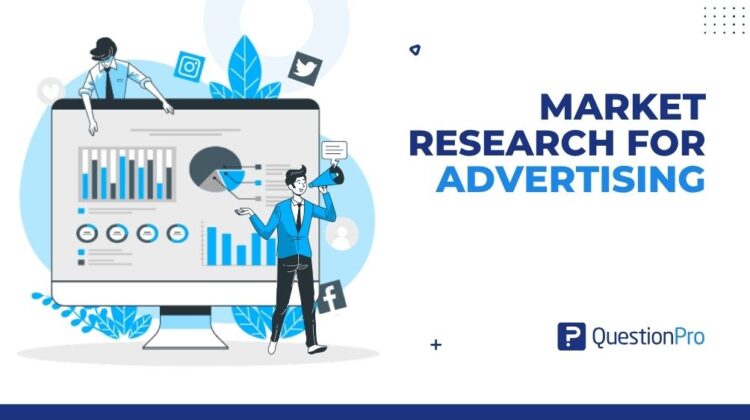
Market research for advertising is the work of studying your audience, your competitors, and your channel options before you spend a single ad dollar. It replaces guesswork with a plan, so your campaign reaches the right people with a message that actually lands.
Skipping this step is expensive. Brands that guess at their audience often end up paying for impressions that never convert, then reworking the campaign mid-flight anyway.
In this article, we will explore how to research your audience, size up your competitors, choose the smartest channels, and measure whether your research actually paid off.
What is market research for advertising?
Market research for advertising is the systematic collection of data about a target audience, competitors, and market conditions, used specifically to shape and test advertising decisions. The American Marketing Association defines market research as the gathering of consumer data and insights that marketers use to build successful campaigns.
That broader idea of market research applies directly here. Applied to advertising, it answers three practical questions: who should see the ad, what should the ad say, and where should it run. Every strong campaign starts with answers to those three questions, not assumptions about them.
Running this kind of study no longer requires an outside agency for every campaign. Market research software lets in-house teams field a survey, pull results, and act on them in days instead of weeks.
Market research vs. ad testing: What’s the difference?
Market research and ad testing sound similar but serve different points in the campaign timeline. Market research happens before you build the campaign, and it shapes who you target and what you say to them.
Ad testing, sometimes called concept testing, happens after you have a draft ad. It measures how a specific storyboard, script, or finished creative performs with real people before it goes live. Think of market research as the foundation and ad testing as the quality check on what you built with that foundation.
Both matter. A well-targeted campaign built on weak creative still underperforms, and a brilliant ad aimed at the wrong audience wastes budget just as fast.
Why market research gives advertisers a competitive edge
Market research gives advertisers an edge because it replaces assumptions with evidence at every stage of the campaign. Brands that skip it are, in effect, buying media space and hoping it works.
The upside shows up in a few concrete ways:
- Sharper targeting.
You know which audience segments actually respond, instead of casting a wide net and hoping some of it sticks.
- Stronger messaging.
You learn what your audience cares about, so the creative speaks to real motivations instead of generic selling points.
- Smarter budget allocation.
You put spend behind the channels and formats your audience actually uses.
- Fewer costly surprises.
You catch a weak concept or a misjudged audience before it becomes a live campaign.
Loyalty data backs this up. Forrester’s 2025 B2C marketing predictions found that rising prices were already pushing brand loyalty down, which means campaigns that fail to connect with the right audience have less room for error than they used to. Structured audience research is what closes that gap before a campaign launches, not after.
How to research your target audience before you advertise
Target audience research starts with defining who your product or service is actually for, then digging into how that group behaves. Most brands think they already know the answer, but proving it with data is what separates the campaigns that convert from the ones that just get seen.
Who is your target audience?
Start with the basics: age, income, location, and life stage. These demographics narrow the field, but they only tell part of the story.
A target audience analysis goes further by validating those assumptions against real survey and behavioral data, so you are not building a campaign around a guess.
What are their habits and preferences?
Once you know who your audience is, find out how they spend their time and attention. Are they on social media, and if so, which platforms? Do they stream, watch live TV, or scroll past both?
This is where market segmentation earns its keep. Grouping your audience by market segmentation variables like behavior and psychographics shows you why a Nickelodeon commercial looks nothing like an AMC one. Different segments respond to different tones, formats, and channels.
How to study your competitors before you launch a campaign
Competitor research for advertising tells you what is already working, what is oversaturated, and where a gap in the market still exists. Skipping it means you risk running an ad that looks and sounds like three others in your category.
A useful competitive analysis looks at three things:
- Which channels and formats competitors are using most heavily
- What messaging or value proposition they lean on
- Where their campaigns seem to underperform, based on engagement or reviews
That last point is often the most valuable. A competitor’s weak spot is frequently the opening your own campaign can fill.
How to choose the right advertising channels
The right advertising channel is the one where your specific audience already spends time, not the one with the most buzz. Every option, from social media to direct mail, requires a different creative approach and a different budget commitment.
| Channel | Best for | What to consider |
|---|---|---|
| Social media | Audiences active on specific platforms, visual products | Only works if your target demographic is actually there |
| Streaming and connected TV | Cord-free and younger households | Fast-growing budget category; ad loads are shorter and pricier |
| Search and display ads | High-intent shoppers close to a purchase decision | Needs solid targeting data to control cost per result |
| Print and direct mail | Local, older, or niche B2B audiences | Still effective where digital reach is thin |
| Radio and podcasts | Commuters and niche interest communities | Strong for regional brand awareness |
Nielsen’s 2025 Annual Marketing Report found that more than half of marketers planned to increase connected TV spend, a sign that channel budgets are shifting as audience habits change. That is exactly the kind of shift research catches before it costs you a wasted quarter of spend.
Real-world example: Research-driven ad targeting in action
A mid-size retailer that skips research usually finds out its assumptions were wrong after the campaign launches, not before. Picture a regional restaurant chain planning a new ad campaign around two competing taglines, with no data on which one actually resonates with its dine-in customers.
Instead of guessing, the chain runs a short concept test with its target demographic before committing media spend. The results show one tagline outperforms the other by a wide margin among the 25 to 44 age group that drives most weekday visits, so the chain builds the full campaign around the winning message instead of splitting budget on a hunch.
This is the kind of decision that gets easier with access to real respondents. QuestionPro Audience gives advertisers a way to reach pre-screened participants who match a specific target profile, so concept and messaging decisions like this one are based on actual feedback rather than internal debate.
How to measure the success of your advertising research
You measure advertising research by tracking whether the campaign it informed actually performs better than one built on assumptions. The right metric depends on what stage of the funnel your ad is trying to move.
| Metric | What it tells you |
|---|---|
| Brand awareness | Whether more of your target audience recognizes your brand after the campaign |
| Purchase intent | Whether the audience is more likely to buy after seeing the ad |
| Ad recall | Whether people remember the specific message or creative, not just the brand |
| Click-through and conversion rate | Whether the targeting and channel choice are actually driving action |
| Cost per acquisition | Whether the research-backed targeting is lowering what you pay per customer |
Track these before and after the campaign runs. A gap between pre-campaign and post-campaign numbers is the clearest evidence that the research paid for itself.
Common mistakes that undercut advertising research
The most common mistake is treating research as a one-time box to check instead of an ongoing input. Audience habits shift, so a target audience profile built two years ago may already be outdated.
Other frequent missteps include:
- Relying on internal opinions instead of validated audience data
- Choosing a channel because it is popular, not because the audience is there
- Skipping competitor analysis and repeating a message the market already has
- Launching a full campaign without testing the concept on a smaller group first
- Ignoring post-campaign data that could improve the next round of research
Each of these is avoidable with a research step that happens before the campaign, not after.
Turning research into advertising that works
Good advertising research does not need to be complicated to be effective. It needs to answer who you are talking to, what they care about, and where they will actually see your message.
Brands that build this step into every campaign spend less time guessing and less budget correcting course mid-flight. That is the real advantage market research gives advertisers over competitors who skip it.
Frequently Asked Questions (FAQs)
Costs vary widely, from a few hundred dollars for a small online survey to tens of thousands for a full concept test with a national panel. Most brands scale the research budget to match the size of the ad spend it is meant to protect.
Yes. Online surveys and small-panel concept tests make audience research accessible without an enterprise budget. A tightly scoped survey of 100 to 200 target customers can still surface clear, actionable direction before launch.
A basic audience and channel study can take one to two weeks, including survey fielding and analysis. Larger concept tests with multiple creative variations typically take three to four weeks to complete properly.
No. Social listening shows what people already say publicly, but it misses people who never post about your category. Structured research, like surveys, reaches a representative sample instead of only the most vocal segment.
The terms are often used interchangeably, but marketing research technically covers the full marketing mix, while market research focuses specifically on the market itself, including customers and competitors. In practice, most advertising teams use the terms without drawing a hard line between them.