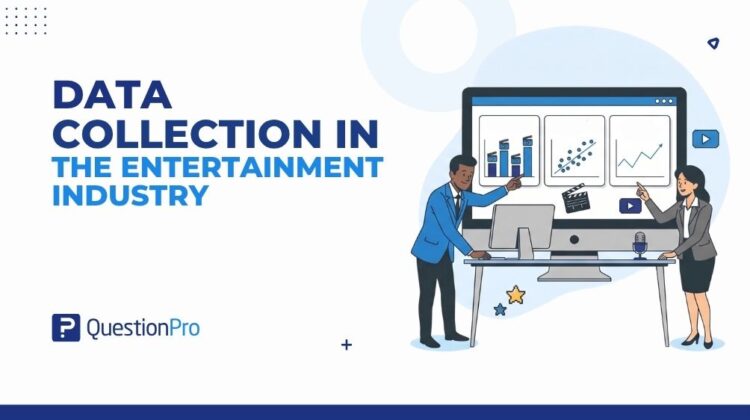
Data collection in the entertainment industry is how studios, streamers, and ticketing platforms gather and analyze audience behavior to guide creative, marketing, and release decisions. Streaming apps, trailer views, and ticket purchases now generate more audience insight than a decade of demographic guesswork ever did.
For years, studios only had a rough picture of who bought tickets. Age, gender, and household income were the main filters available.
That has changed. Mobile apps, streaming platforms, and social engagement now hand studios a far more detailed view of the people actually watching their content, and this article breaks down how that data gets collected, where it comes from, and what still gets missed along the way.
What is audience data collection in entertainment?
Audience data collection in entertainment is the process of gathering information about viewer behavior, preferences, and engagement across streaming, ticketing, and marketing channels. It replaces guesswork with measurable signals.
This differs from traditional entertainment market research in one key way. Data collection is often passive, pulled automatically from app usage or click behavior. Traditional research is active, built on surveys, panels, and direct questions to real audiences.
Both matter. Behavioral data shows what people did. Survey-based research explains why they did it, which is the piece behavioral data alone cannot answer.
Why studios and streamers rely on audience data now
Streaming has made audience data collection close to mandatory rather than optional. Platforms can track exactly what gets watched, paused, rewatched, or abandoned in the first ten minutes.
The competitive pressure behind this shift is real. Deloitte’s 2026 media and entertainment outlook points to audience data and quality engagement, not just content volume, as the factors now separating winning platforms from the rest, especially as more tech-driven competitors enter the space with data infrastructure built in from day one.
First-party data, meaning information a company collects directly from its own users rather than buying from a third party, has become the standard currency in this shift. It is more accurate, more current, and increasingly the only option as third-party tracking keeps getting restricted.
Analytics firms like Circana now build entire practices around helping media companies turn viewing and purchase behavior into measurable competitive advantage, which shows how central this work has become to the business side of entertainment, not just the technical side.
How the entertainment industry collects audience data
Studios and platforms pull audience data from several channels at once, and most successful strategies combine more than one of the following:
- Streaming behavior: What gets watched, skipped, or rewatched, and at what point viewers drop off
- Ticketing and app data: Purchase timing, seat selection patterns, and repeat booking behavior through apps like Fandango or Atom Tickets
- Trailer and ad engagement: Click-through rates, watch time, and which other titles a viewer engaged with beforehand
- Social listening: Sentiment and volume of conversation around a title before and after release
- Direct audience research: Surveys, screening panels, and focus groups run through a market research panel that ask viewers directly what they want to see
Recommendation engines are a good example of this data in action. Streaming platforms use viewing history to predict what a subscriber is likely to watch next, a technique Netflix and Amazon popularized and that most major platforms now rely on in some form.
How studios turn this data into marketing decisions
Behavioral data is most useful when it changes a decision, not just a dashboard. A common pattern in film marketing looks like this.
A studio tests a trailer online and tracks who clicks, watches to the end, and shares it. If that audience overlaps heavily with fans of a different genre or theme than expected, the studio has a real signal to adjust its campaign.
This is where quantitative market research becomes useful alongside behavioral tracking. Numbers show the pattern. A follow-up survey or screening can confirm whether the pattern reflects a genuine shift in audience interest or a one-time fluke in the data.
Studios that skip this step risk reading too much into a small sample, which leads directly into where most audience data strategies go wrong.
Common mistakes in entertainment audience data
Even well-funded studios misread audience data in predictable ways. A few show up repeatedly across the industry.
- Treating a small sample as a trend.
A viral trailer clip does not always represent the full ticket-buying audience.
- Relying only on behavioral data.
Clicks and views show what happened, not why, which leaves marketing teams guessing at motivation.
- Ignoring regional and platform differences.
An audience segment that responds well on one streaming platform may behave differently on another.
- Skipping validation.
Acting on a single data point without a follow-up survey or screening to confirm it.
Avoiding these mistakes usually comes down to pairing behavioral tracking with direct audience input, rather than trusting either one alone.
How to measure whether your audience data strategy works
A useful audience data strategy shows up in results, not just dashboards full of numbers. A few benchmarks make that easier to judge.
Track whether marketing spend shifts toward the segments your data identifies, and whether that shift correlates with stronger trailer engagement or ticket sales. Compare pre-release predictions against actual opening weekend performance to see how close your models get.
Also watch how often survey-based research confirms or contradicts your behavioral data. Frequent contradictions usually mean the behavioral signals are being misread, not that the audience is unpredictable.
Where QuestionPro Audience fits into entertainment research
Behavioral data can show what an audience did, but it cannot always explain what they want next. That is where structured audience research fills the gap.
QuestionPro Audience gives entertainment researchers access to a global panel for concept testing, trailer reactions, and post-release feedback, built on the same market research software many studios already use for broader consumer insight work. That kind of direct feedback gives marketing teams a faster way to validate a hunch before a full campaign goes live.
What this means for the next decade of entertainment marketing
Audience data collection is not replacing creative instinct in entertainment. It is giving that instinct something to check itself against before millions get spent on a wrong assumption.
The studios getting the most value from this shift are not the ones with the most data. They are the ones combining behavioral signals with real audience feedback, using tools like market segmentation tools and types of market research that go beyond age and income brackets, and treating both as equally necessary inputs.
Frequently Asked Questions (FAQs)
Studios collect streaming behavior, ticketing app activity, trailer engagement, and social sentiment. Many also run direct surveys and screenings to understand motivations behind that behavior, since clicks and views alone rarely explain why an audience responds the way it does.
Streaming platforms track what subscribers watch, pause, or abandon to power recommendation engines and content decisions. This data also informs renewal decisions for shows and helps platforms understand which genres retain subscribers the longest.
Yes. US privacy laws like the California Consumer Privacy Act apply to entertainment companies collecting personal data, and platforms must disclose what they track. Studios increasingly favor first-party data partly because it is easier to manage under these rules.
First-party data comes directly from a company’s own users, such as app activity or survey responses. Third-party data is purchased from outside vendors and tends to be less accurate as tracking restrictions expand across the industry.
Smaller studios can start with low-cost surveys, social listening tools, and trailer analytics instead of building custom tracking infrastructure. A focused screening panel of even a few hundred respondents can validate a campaign direction before a wider release.