Launching a PR campaign without doing the research first is one of the most common and expensive mistakes organizations make. Market research for a PR campaign is not the same as market research for a product launch. You are not just trying to understand your buyers. You are also mapping the media landscape, identifying which journalists and publications actually cover your space, and testing whether your message will land before you send it anywhere.
In this guide, we’ll explore everything involved in building a solid PR research plan: what makes PR research different, the types of research you need, a step-by-step process, the tools worth knowing about, and how to measure results once the campaign is live.
What is market research for a PR campaign?
Market research for a PR campaign is the process of gathering and analyzing information about your target audience, the media landscape, your competitors’ PR activity, and the channels most likely to carry your message effectively. It gives you the data to make informed decisions about what to say, who to say it to, and where to say it.
Without this research, PR campaigns are built on assumptions. With it, you have a defensible strategy grounded in how your audience actually consumes information and what the media environment looks like right now, not six months ago.
How PR research differs from standard market research
Standard market research focuses on customers: who they are, what they want, what they will pay for, and how they make purchasing decisions. That information is still relevant to PR, but it is only one piece of the picture.
PR campaign research adds two additional layers that product or sales research does not typically cover.
- Media landscape research.
You need to know which journalists, publications, podcasts, newsletters, and online communities cover your industry. This is not about finding advertising opportunities. It is about understanding the editorial environment your campaign will land in, what gets covered, what gets ignored, and why. - Message and timing research.
A PR campaign lives or dies by whether the message resonates at the right moment. Researching the current news cycle, trending topics in your industry, and how competitors are currently being covered helps you position your story in a way that is relevant rather than generic.
Types of research used in PR campaigns
A thorough PR research plan draws from three types of research. Most campaigns need all three.
Primary research
Primary research means collecting new data directly from your target audience or stakeholders. In a PR context, this includes surveys, focus groups, interviews, and polls. Primary research is particularly useful for generating original data that becomes the foundation of a PR story itself.
For example, a US-based software company might survey 500 professionals about remote work challenges and use the resulting data as the basis for a press release. That original data is far more likely to get picked up by journalists than a press release built around a product announcement alone.
Secondary research
Secondary research means analyzing existing data: industry reports, academic studies, government data, competitor coverage analysis, and media audits. It gives you context about the industry, the audience, and the media environment without the time and cost of primary research.
Secondary research is typically where PR research starts. You map what is already known before deciding what gaps you need to fill with primary data.
Social listening and media monitoring
Social listening involves tracking online conversations about your brand, competitors, or industry topics in real time. Tools like Brandwatch, Mention, and Google Alerts let you monitor what is being said across social platforms, news sites, forums, and blogs.
Media monitoring tracks how your brand or competitors are being covered in traditional and digital press. This tells you where relevant conversations are already happening, which publications are actively covering your space, and what angles journalists are currently pursuing.
How to develop a market research plan for a PR campaign
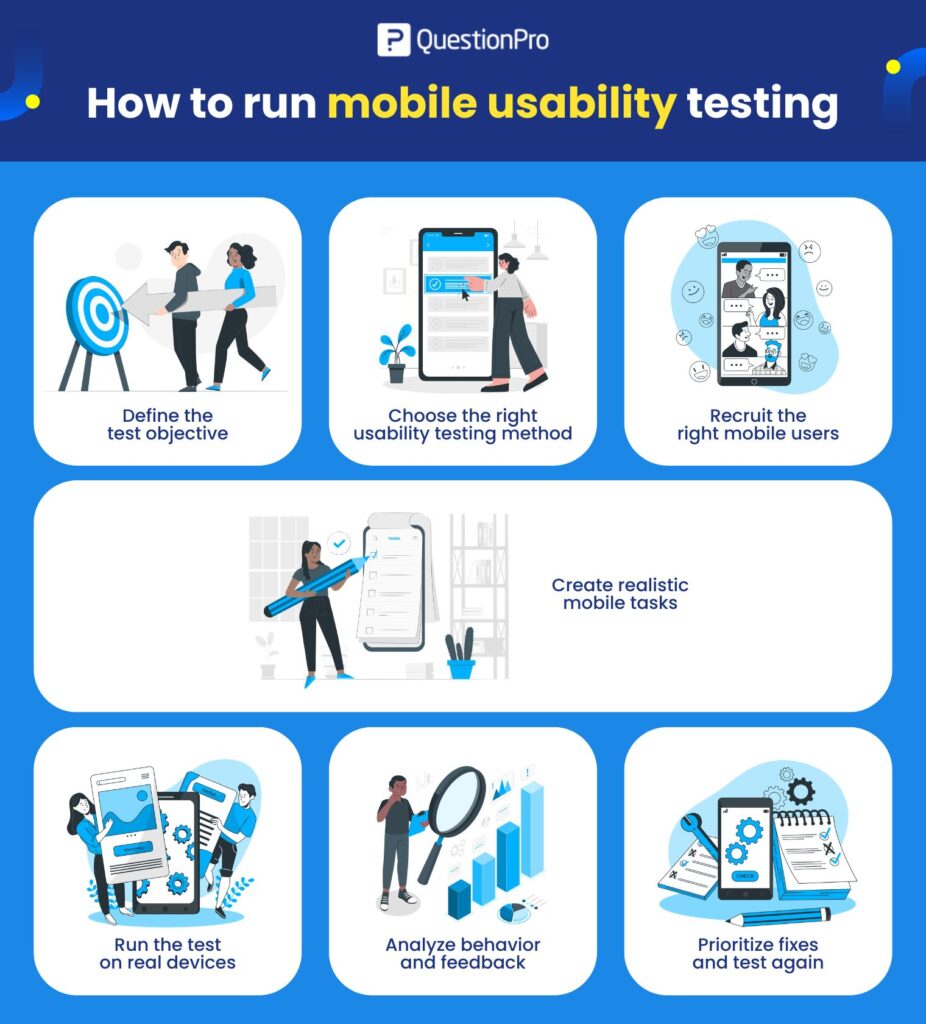
This seven-step process covers the full research cycle from audience definition to measurement planning.
Step 1: Define your goals and target audience
Before you research anything, get specific about what the campaign needs to accomplish. The goal shapes everything that follows.
Two common campaign goals that require completely different research approaches:
- Brand awareness campaign: you need broad media reach, general interest publications, and audience demographics research
- Thought leadership campaign: you need industry-specific outlets, journalist beat research, and competitor positioning analysis
Once the goal is clear, define the target audience precisely. In PR, your audience is often two separate groups: the end audience you want to reach (consumers, policymakers, investors) and the media intermediaries (journalists, editors, podcast hosts) who carry your message to that audience. Both need to be researched.
Step 2: Research your target media landscape
Identify the publications, broadcast outlets, podcasts, newsletters, and online communities that reach your target audience. For each outlet, research what topics they cover, which journalists write about your space, how frequently they publish relevant content, and what their editorial guidelines look like.
Tools like Muck Rack and Cision provide databases of journalist contact information, beat coverage, and recent articles. SparkToro is useful for understanding which publications and podcasts your audience actually reads and listens to, rather than which ones you assume they do.
Worth noting: these are not the same list. A highly specialized trade publication with 20,000 readers in your exact industry may be more valuable for your campaign than a general business outlet with 2 million readers who mostly do not care about your space.
Step 3: Build your media and influencer contact list
Using your media landscape research, build a targeted contact list of journalists, editors, and content creators most likely to be interested in your story. For each contact, note their recent coverage, their preferred contact method, and any specific pitching guidelines their publication requires.
In addition to traditional media contacts, identify industry influencers, analysts, and thought leaders with engaged audiences in your space. These individuals can amplify a campaign significantly, either through organic interest or through paid partnerships.
The quality vs quantity rule: a well-researched list of 30 highly relevant contacts will consistently produce better results than a spray-and-pray approach to 300 loosely related journalists. Keep the list tight.
Step 4: Analyze your competitors’ PR activity
Review how your competitors are currently positioning themselves in the media. Use this checklist as your audit framework:
- What stories are they pitching and which ones are getting picked up?
- Which publications are covering them most frequently?
- What angles are journalists responding to in your space?
- Where are the gaps in coverage that your campaign could fill?
Tools like Muck Rack, BuzzSumo, and Semrush can help you track competitor media mentions and understand which of their stories generated the most coverage and engagement. The gaps you find in this analysis are where your campaign has the best chance of standing out.
Step 5: Test your message before launch
One of the most overlooked steps in PR research is message testing. Before you finalize your press release, pitch, or campaign narrative, test the core message with a representative sample of your target audience.
Surveys work well here. Ask a segment of your audience whether the message is clear, relevant, and compelling. Find out which angle they find most interesting. What questions does the message raise for them? The answers will tell you whether your story is ready to pitch or whether it needs refinement.
Tools like QuestionPro make it straightforward to build and distribute a targeted message-testing survey quickly, which is particularly useful when you are working against a campaign deadline and need fast, structured feedback rather than informal opinions.
Step 6: Choose distribution channels and content formats
Based on your media landscape research and audience data, decide which channels and formats your campaign will use. Different outlets expect different formats:
| Outlet type | Preferred format |
|---|---|
| Tech and trade journalists | Detailed briefing document or embargo release |
| Consumer lifestyle media | Visual assets with a concise, human story angle |
| Podcast hosts | Short personalized pitch with clear talking points |
| Newsletter editors | Data-driven angle with a clear hook in the first line |
| Broadcast producers | B-roll footage availability and a quotable spokesperson |
Your research should tell you what format works for each outlet on your list so that you are not sending the same generic pitch to every contact.
Step 7: Plan how you will measure results
Define your success metrics before the campaign launches, not after. Common PR campaign metrics include:
- Media placements: number of articles, broadcast segments, or podcast mentions generated
- Reach: total audience size of placements secured
- Share of voice: your brand’s coverage relative to competitors during the campaign period
- Website traffic: direct referral traffic from earned media coverage
- Social engagement: shares, comments, and mentions generated by coverage
- Message pull-through: percentage of coverage that includes your core message or key data point
Establishing these benchmarks in advance means you can evaluate the campaign objectively rather than cherry-picking the metrics that look best after the fact.
Tools that support PR campaign research
These are the tools most commonly used by US PR teams for campaign research:
- Muck Rack and Cision for journalist databases, media contact management, and coverage tracking.
- SparkToro for audience research, specifically identifying which publications, podcasts, and social accounts your target audience actually follows.
- Brandwatch and Mention for social listening and real-time media monitoring.
- BuzzSumo for content research, identifying which topics and stories are generating the most coverage and engagement in your industry.
- Google Alerts as a free baseline for tracking brand and competitor mentions across the web.
- QuestionPro for primary research needs: audience surveys, message testing, and tracking audience perceptions before and after a campaign.
How to measure PR campaign success
PR measurement has historically been imprecise, but modern tools and standards have improved significantly. The Barcelona Principles, a globally recognized framework for PR measurement developed by the International Association for Measurement and Evaluation of Communication (AMEC), established that AVE (advertising value equivalency) is not a valid PR metric. Instead, measurement should focus on outcomes that matter to the business.
Practical measurement for most US PR campaigns includes tracking media placements against a pre-campaign baseline, monitoring website traffic from earned media referrals using UTM parameters, and running a post-campaign audience survey to assess whether brand awareness or message recall improved.
For campaigns built around original research data, tracking how many publications cited your data and how widely it spread is itself a strong indicator of campaign effectiveness.
Good PR research is what separates a campaign that lands from one that disappears
Most PR campaigns that fail do not fail because the story was bad. They fail because the research was thin: the wrong journalists were pitched, the message was not tested, or the timing was off because no one checked what else was happening in the news cycle that week.
Doing thorough market research for a PR campaign before you launch does not guarantee coverage. What it does is remove the most common and preventable reasons campaigns get ignored. You pitch the right story to the right people at the right moment with a message that your own audience has already told you is compelling.
That is the difference between a campaign built on guesswork and one built on evidence. The research is not the hard part. Skipping it is what makes PR hard.
Frequently Asked Questions (FAQs)
Product launch research focuses on buyers: who they are and what they will pay. PR campaign research also covers the media landscape, including which journalists cover your space, what angles they respond to, and how competitors are currently being positioned in the press.
Costs vary significantly. Free tools like Google Alerts and Google Trends cover basic monitoring. Mid-range survey platforms and social listening tools typically run $50 to $500 per month. Full-service media databases like Cision or Muck Rack start at several thousand dollars annually for US market access.
A basic research cycle covering audience profiling, media landscape mapping, and message testing typically takes two to four weeks. More complex campaigns requiring original primary research, such as a survey-based data report, can take six to eight weeks before the campaign is ready to launch.
Share of voice is the percentage of total media coverage in your industry or category that mentions your brand compared to competitors during a defined period. It is calculated by dividing your brand’s mention count by the total mention count for all brands tracked, then multiplying by 100.
Yes. Google Alerts, SparkToro’s free tier, HARO (Help a Reporter Out), and social listening through native platform search tools provide a solid research foundation at low cost. Combining these with a targeted audience survey run through an affordable platform gives most small US businesses enough data to build a credible campaign.