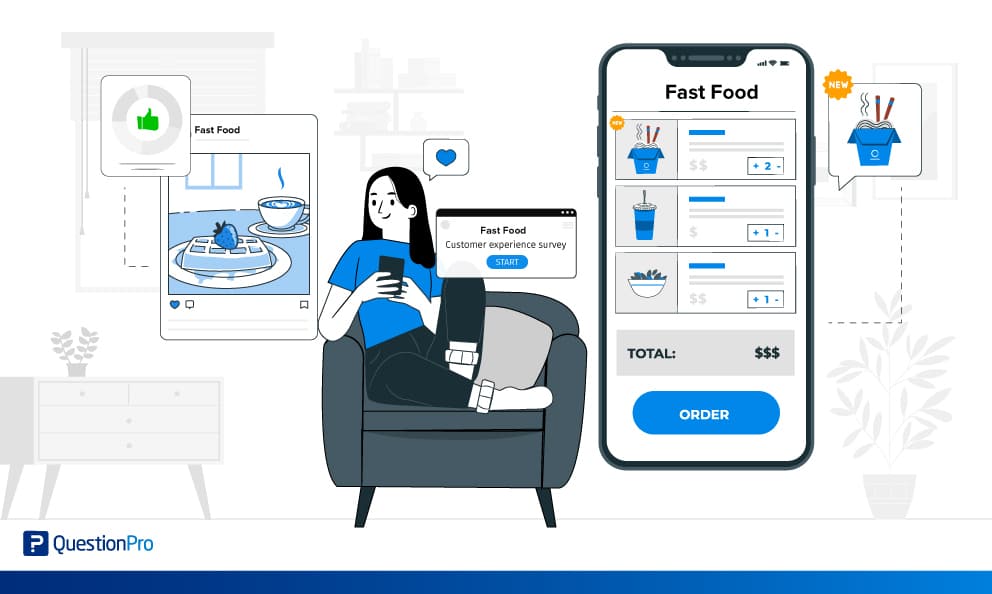
Brand experience is the set of emotions, perceptions, and reactions a person forms after any exposure to your brand, whether they have bought from you or not. It builds through advertising, word of mouth, store visits, and product use alike.
A well-defined brand experience gives a company an identity people recognize and trust before a single transaction happens. That recognition often decides which company gets chosen when several offer a similar product at a similar price.
This guide breaks down what brand experience means, how it differs from customer experience, and the steps to build one that actually holds up across every channel.
What is brand experience?
Brand experience is the set of emotions, perceptions, thoughts, and behavioral reactions that form in a person’s mind through contact with a brand’s products, services, marketing, or physical spaces.
That contact does not require a purchase. Someone can develop a strong brand experience from an ad campaign, a friend’s recommendation, or a store window display without ever becoming a paying customer. This is what separates the experience from the customer experience: brand experiences reach customers and non-customers alike, while customer experience is limited to people who have actually bought or used something.
Every customer experience eventually feeds into someone’s broader brand experience, but not every brand experience becomes a customer experience. A person can love a brand’s advertising for years before ever making a purchase.
Brand experience vs. customer experience: What is the difference?
Brand experience is the broader impression people form of a company across every channel, while customer experience is the narrower set of feelings tied to actually buying, using, or getting support for a product.
The clearest way to separate the two is by promise and delivery. Brand experience is largely about the promise a company makes through its marketing and identity. Customer experience is about whether that promise gets kept once someone becomes a customer.
| Aspect | Brand experience | Customer experience |
|---|---|---|
| Audience | Customers and non-customers | Customers only |
| Trigger | Any exposure, including ads and word of mouth | Direct interaction, purchase, or use |
| Focus | Perception, identity, and emotional connection | Product, service, and support quality |
| Timing | Can form before any purchase | Forms during and after a transaction |
Forrester’s Brand Experience Index found that the gap between how customers and non-customers rate the same brand can span 5 to 30 points, which shows how differently a brand’s promise lands depending on whether someone has actually experienced it firsthand.
Why does building a brand experience matter?
Building a deliberate brand experience matters because it shapes whether someone chooses your company over a competitor before price or product specs even enter the conversation.
Strong brand experiences deliver several concrete advantages:
- Shareable content and reach.
A distinct brand experience gives people something worth talking about and sharing across their own channels.
- Attention that converts into participation.
Customers who notice a brand are easier to invite into product testing, feedback programs, or early access offers.
- Authentic interactions that build memory.
One-on-one moments, not generic ads, are what people actually remember and repeat to others.
- Deeper time and engagement.
People who connect with a brand’s identity spend more time with its content and products than people who see it as interchangeable.
- A feedback loop with the market.
Every interaction with the brand generates signals a company can use to refine its positioning.
How do you build a brand experience?
Building a brand experience takes three connected steps: defining a coherent identity, expressing that identity visually, and distributing it consistently through marketing and communication.
Step 1: Define a coherent brand identity
Start by identifying what makes your offer different, what your company values, and how you want to stand out in a competitive market. A few questions guide this work:
- What does my product or service do differently than competitors?
- What is the company actually trying to achieve?
- What values does the organization hold, and does daily practice reflect them?
A mismatch between the values a company markets and how it actually operates internally damages credibility fast. Employees who do not feel the values described in a campaign will not represent them consistently to customers.
Step 2: Express that identity visually
Translate the identity into visual elements: color choices, typography, logo, and a consistent graphic style. These choices carry meaning subtly, often before a person reads a single word of copy.
Apply these visual elements consistently everywhere the brand shows up, including the website, social media, packaging, email signatures, and advertising. Small inconsistencies across channels quietly erode the sense that a brand knows what it stands for.
Step 3: Distribute the identity through marketing and communication
The final step is deciding how, where, and how often to reach your target audience with a consistent tone and message. This requires a marketing and communication plan that specifies channel mix, frequency, and voice for each audience segment.
Consistent execution over time, paired with real product and service quality, is what turns a positive impression into a durable brand reputation.
How do you measure brand experience?
Brand experience is measured through ongoing brand tracking studies that survey both customers and non-customers on awareness, perception, and likelihood to recommend or repurchase.
A brand tracking study run on a regular cadence, rather than as a one-time project, shows whether perception is improving or slipping before it shows up in sales numbers. Useful metrics to track over time include:
- Brand awareness and recall
- Perceived quality and trust
- Likelihood to recommend, often tracked with an NPS survey question
- Purchase intent among non-customers
- Sentiment in reviews and social mentions
Comparing these metrics before and after a rebrand, campaign, or product launch shows whether the change actually moved perception or simply changed the visuals.
What mistakes weaken a brand experience?
The most common mistake is treating the experience as a one-time launch project instead of something that needs consistent upkeep across every channel and every employee interaction.
Other frequent mistakes include:
- Publishing a visual identity that is not backed by matching internal culture or values
- Letting different departments run inconsistent messaging across channels
- Measuring brand perception only among existing customers and ignoring non-customers
- Chasing every trend instead of building a distinct, recognizable identity over time
- Assuming a strong logo alone equals a strong brand experience
How does QuestionPro support brand experience research?
QuestionPro supports brand experience work by giving teams the survey tools to run brand health trackers across both customers and non-customers, then compare results over time in one dashboard.
A brand health tracker built on QuestionPro’s Market Research Software can measure awareness, perception, and customer loyalty side by side, which makes it easier to see where the brand promise and the lived experience are drifting apart.
A brand experience is a promise, kept consistently
Brand experience decides whether someone recognizes, trusts, and eventually chooses your company, often long before they become a paying customer. It forms through every ad, every store visit, and every conversation someone has about the brand, whether or not you are in the room.
The organizations that manage this well treat brand identity as a living commitment, not a one-time creative exercise. They check it against reality regularly, and they adjust when perception and delivery stop matching.
Frequently Asked Questions (FAQs)
No. Branding refers to the visual and verbal identity a company creates, such as its logo, colors, and messaging. Brand experience is the actual emotional and perceptual result of that branding once people encounter it repeatedly across channels and touchpoints.
Yes. Consistency matters more than budget size. A small business that keeps its tone, visuals, and values aligned across a website, social media, and customer conversations can build a recognizable brand experience without a large advertising spend.
There is no fixed timeline, since it depends on exposure frequency and consistency, but most brands need sustained effort over several years before recognition and trust compound into real loyalty. Isolated campaigns rarely produce a lasting brand experience on their own.
Yes. Employees who understand and believe in a brand’s stated values tend to represent it more consistently in customer interactions. A gap between internal culture and external brand messaging is one of the fastest ways to undermine brand credibility.
A public mismatch between what a brand promises and what it delivers, such as an ad campaign contradicted by poor service, does the most damage. Because brand experience spans customers and non-customers, negative stories about a broken promise tend to travel further than positive ones.